Buy truewords.eu ?
We are moving the project
truewords.eu .
Are you interested in purchasing the domain
truewords.eu ?
domain@kv-gmbh.de · 0541-91531010
Buy truewords.eu ?
What is the possessive pronoun in Spanish?
The possessive pronoun in Spanish is a word that indicates ownership or possession. It agrees in gender and number with the noun it is referring to. Examples of possessive pronouns in Spanish include "mi" (my), "tu" (your), "su" (his/her/its/your formal), "nuestro/a" (our), and "vuestro/a" (your plural). **
What is a possessive pronoun in English?
A possessive pronoun in English is a pronoun that shows ownership or possession. Examples of possessive pronouns include "mine," "yours," "his," "hers," "ours," and "theirs." These pronouns are used to indicate that something belongs to a specific person or group. Possessive pronouns can stand alone or be used before a noun to show ownership. **


Similar search terms for Possessive pronoun
Top-Angebote
Products related to Possessive pronoun:
-
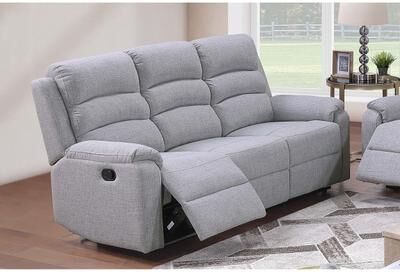
Esofastore Cushion Backrest Manual Recliner 1pc Sincere Bone FinishFeatures:- •Contemorary Style •Sincere Bone Finish •Burlap •Manual Motion •Cushion Backrest •Horizontal Tufting Product Description:- Upgrade your comfort zone with our manual recline.1266,99 $*Shipping: 0,00 $Secure redirect to the provider
-
Esofastore 1pc Manual Sofa Sincere Bone Finish Burlap UpholsteredFeatures:- •Transitioanl Style •Sincere Bone Finish •Burlap Fabric •Manual Sofa Set •Padded Headrest And Armrest •Manual Handle •Horizontal Tufting Product Description:- Indulge in unparalleled relaxation with the sofa set, crafted to deliver supreme…1544,49 $*Shipping: 0,00 $Secure redirect to the provider



-
What is the difference between a possessive pronoun and a possessive adjective?
A possessive pronoun replaces a noun and shows ownership or possession, such as "mine," "yours," "his," "hers," "ours," and "theirs." On the other hand, a possessive adjective modifies a noun to show ownership or possession, such as "my," "your," "his," "her," "our," and "their." In essence, possessive pronouns stand alone, while possessive adjectives are used before a noun to describe who owns or possesses it. **
-
What is the difference between a personal pronoun and a possessive pronoun?
A personal pronoun is used to replace a noun and refers to a specific person or thing, such as "he," "she," or "they." On the other hand, a possessive pronoun shows ownership or possession, such as "his," "her," or "their." Personal pronouns indicate who is performing the action in a sentence, while possessive pronouns indicate who owns or possesses something. **
-
What is the possessive pronoun for the 3rd person singular in Norwegian?
The possessive pronoun for the 3rd person singular in Norwegian is "hans" for masculine gender and "hennes" for feminine gender. These pronouns are used to show possession or ownership of something by a singular third person. For example, "hans bil" means "his car" and "hennes bok" means "her book". **
-
In French, do you use an apostrophe with the interrogative pronoun "quelle" and the possessive determiner "ma"?
Yes, in French, you use an apostrophe with the interrogative pronoun "quelle" and the possessive determiner "ma" when they are followed by a word starting with a vowel or a silent "h". For example, "quelle est ton adresse?" (What is your address?) and "ma amie" (my friend). **

Is the friend possessive?
Yes, the friend is possessive. This is evident from the fact that they are trying to control the narrator's actions and decisions, as well as expressing jealousy and possessiveness over the narrator's other relationships. The friend's possessive behavior is unhealthy and can be damaging to the narrator's well-being and independence. It is important for the narrator to set boundaries and communicate their needs in order to maintain a healthy friendship. **
Are friends so possessive?
Friends can sometimes exhibit possessive behavior, especially if they feel insecure or threatened by the possibility of losing the friendship. This can manifest in actions such as wanting to control who their friend spends time with, becoming jealous of other friendships, or feeling entitled to their friend's time and attention. However, healthy friendships are built on trust, respect, and mutual support, and should not be based on possessiveness. It's important for friends to communicate openly and set boundaries to ensure a balanced and respectful relationship. **
Top-Angebote
Products related to Possessive pronoun:
-
Benton Honest Cleansing Foam 150 gr 150 grHealth and Beauty Facial Cleansing Benton Honest Cleansing Foam 150 gr 150 gr Benton Honest Line presents honest ingredients that you can rest assured about. Formulated with natural surfactants derived from palm oil, Benton Honest Cleansing Foam gently cleanses fatigued skin caused by various types of stress and contamination. Benton Honest Line presents honest ingredients that you can rest assured about. Formulated with natural surfactants derived from palm oil, Benton Honest Cleansing Foam gently cleanses fatigued skin caused by various types of stress and contamination. This facial cleanser not only cleanses but moisturizes even more, minimizing skin tightness. Cleanser without natural tightness, palm oil derived surfactants Hydrates and softens the skin after cleansing without tightening the skin. Gentle Facial Cleanser Surfactants derived from palm oil RSPO used. c) Without sulfate and without PEG How to use: * Apply a moderate amount on the palm of your hand and foam with water. Massage gently on the skin and rinse thoroughly with warm water.14,27 £*Shipping: 3,99 £Secure redirect to the provider
-
Sincere Surroundings Weatherproof Porch Boards Hide PackagesA witty welcome for the home where packages are a closely guarded secret, this porch board is designed to greet every delivery driver and guest at the front door with humor and charm.42,99 $*Shipping: 0,00 $Secure redirect to the provider
-
What is the possessive pronoun in Spanish?
The possessive pronoun in Spanish is a word that indicates ownership or possession. It agrees in gender and number with the noun it is referring to. Examples of possessive pronouns in Spanish include "mi" (my), "tu" (your), "su" (his/her/its/your formal), "nuestro/a" (our), and "vuestro/a" (your plural). **
-
What is a possessive pronoun in English?
A possessive pronoun in English is a pronoun that shows ownership or possession. Examples of possessive pronouns include "mine," "yours," "his," "hers," "ours," and "theirs." These pronouns are used to indicate that something belongs to a specific person or group. Possessive pronouns can stand alone or be used before a noun to show ownership. **
-
What is the difference between a possessive pronoun and a possessive adjective?
A possessive pronoun replaces a noun and shows ownership or possession, such as "mine," "yours," "his," "hers," "ours," and "theirs." On the other hand, a possessive adjective modifies a noun to show ownership or possession, such as "my," "your," "his," "her," "our," and "their." In essence, possessive pronouns stand alone, while possessive adjectives are used before a noun to describe who owns or possesses it. **
-
What is the difference between a personal pronoun and a possessive pronoun?
A personal pronoun is used to replace a noun and refers to a specific person or thing, such as "he," "she," or "they." On the other hand, a possessive pronoun shows ownership or possession, such as "his," "her," or "their." Personal pronouns indicate who is performing the action in a sentence, while possessive pronouns indicate who owns or possesses something. **
Similar search terms for Possessive pronoun
-
Esofastore Cushion Backrest Manual Recliner 1pc Sincere Bone FinishFeatures:- •Contemorary Style •Sincere Bone Finish •Burlap •Manual Motion •Cushion Backrest •Horizontal Tufting Product Description:- Upgrade your comfort zone with our manual recline.1266,99 $*Shipping: 0,00 $Secure redirect to the provider
-
Esofastore 1pc Manual Sofa Sincere Bone Finish Burlap UpholsteredFeatures:- •Transitioanl Style •Sincere Bone Finish •Burlap Fabric •Manual Sofa Set •Padded Headrest And Armrest •Manual Handle •Horizontal Tufting Product Description:- Indulge in unparalleled relaxation with the sofa set, crafted to deliver supreme…1544,49 $*Shipping: 0,00 $Secure redirect to the provider
-
"""The Federalist""" """The Federalist Honest Red Blend 2021 Red Wine - California""""""The wine displays a garnet red hue; on the nose, it offers inviting aromas of plum, blackberry, cassis, and black currant, accented by a hint of spicy vanilla from time spent in barrel; the palate opens with a delicious entry, revealing a rich..."24,97 $*Shipping: 0,00 $Secure redirect to the provider
-
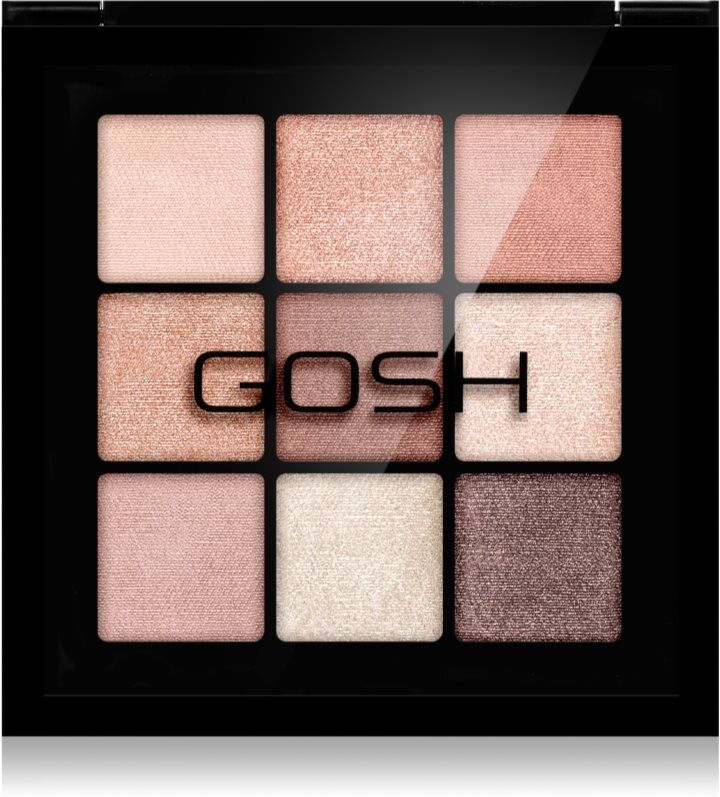
GOSH COPENHAGEN Eyedentity eyeshadow palette shade 001 Be Honest 6 gGOSH COPENHAGEN Eyedentity, 6 g, Eyeshadow Palettes for Women, Do you want to enhance your look, contour your eyes and accentuate their beauty? The GOSH COPENHAGEN Eyedentity eye makeup palette opens up possibilities for creating a wide variety of eye looks. It contains not one but several pressed eyeshadows, which complement each other ideally and can therefore be combined perfectly to create various looks – from subtle daytime to bold evening makeup. Each shade provides even pigment coverage and is easy to apply, blend or mix with other shadows without creating unwanted harsh transitions. Characteristics: allows you to vary your makeup shimmering and matte effect long-lasting for day and evening makeup washes out easily Ingredients: vegan product How to use: Apply shadows to the eyelids with a brush, foam applicator or fingertips.6,63 £*Shipping: 3,99 £Secure redirect to the provider
-
What is the possessive pronoun for the 3rd person singular in Norwegian?
The possessive pronoun for the 3rd person singular in Norwegian is "hans" for masculine gender and "hennes" for feminine gender. These pronouns are used to show possession or ownership of something by a singular third person. For example, "hans bil" means "his car" and "hennes bok" means "her book". **
-
In French, do you use an apostrophe with the interrogative pronoun "quelle" and the possessive determiner "ma"?
Yes, in French, you use an apostrophe with the interrogative pronoun "quelle" and the possessive determiner "ma" when they are followed by a word starting with a vowel or a silent "h". For example, "quelle est ton adresse?" (What is your address?) and "ma amie" (my friend). **
-
Is the friend possessive?
Yes, the friend is possessive. This is evident from the fact that they are trying to control the narrator's actions and decisions, as well as expressing jealousy and possessiveness over the narrator's other relationships. The friend's possessive behavior is unhealthy and can be damaging to the narrator's well-being and independence. It is important for the narrator to set boundaries and communicate their needs in order to maintain a healthy friendship. **
-
Are friends so possessive?
Friends can sometimes exhibit possessive behavior, especially if they feel insecure or threatened by the possibility of losing the friendship. This can manifest in actions such as wanting to control who their friend spends time with, becoming jealous of other friendships, or feeling entitled to their friend's time and attention. However, healthy friendships are built on trust, respect, and mutual support, and should not be based on possessiveness. It's important for friends to communicate openly and set boundaries to ensure a balanced and respectful relationship. **
* All prices are inclusive of VAT and, if applicable, plus shipping costs. The offer information is based on the details provided by the respective shop and is updated through automated processes. Real-time updates do not occur, so deviations can occur in individual cases. ** Note: Parts of this content were created by AI.