Buy truewords.eu ?
We are moving the project
truewords.eu .
Are you interested in purchasing the domain
truewords.eu ?
domain@kv-gmbh.de · 0541-91531010
Buy truewords.eu ?
What is transpiration in biology?
Transpiration is the process by which plants absorb water through their roots and then release it into the atmosphere through small openings in their leaves called stomata. This process helps plants to regulate their temperature, transport nutrients, and maintain their shape. Transpiration also plays a role in the water cycle by returning water vapor to the atmosphere. **
How does transpiration depend on humidity?
Transpiration is the process by which water is lost from a plant through the stomata in its leaves. Humidity affects transpiration because it is the measure of water vapor in the air. When the air is dry, with low humidity, the plant will transpire more to compensate for the lack of moisture in the air. Conversely, when the air is humid, with high humidity, the plant will transpire less because the air already contains a significant amount of water vapor. Therefore, transpiration is directly influenced by the humidity of the surrounding air. **

Similar search terms for Transpiration
Top-Angebote
Products related to Transpiration:
-
Benton Honest Cleansing Foam 150 gr 150 grHealth and Beauty Facial Cleansing Benton Honest Cleansing Foam 150 gr 150 gr Benton Honest Line presents honest ingredients that you can rest assured about. Formulated with natural surfactants derived from palm oil, Benton Honest Cleansing Foam gently cleanses fatigued skin caused by various types of stress and contamination. Benton Honest Line presents honest ingredients that you can rest assured about. Formulated with natural surfactants derived from palm oil, Benton Honest Cleansing Foam gently cleanses fatigued skin caused by various types of stress and contamination. This facial cleanser not only cleanses but moisturizes even more, minimizing skin tightness. Cleanser without natural tightness, palm oil derived surfactants Hydrates and softens the skin after cleansing without tightening the skin. Gentle Facial Cleanser Surfactants derived from palm oil RSPO used. c) Without sulfate and without PEG How to use: * Apply a moderate amount on the palm of your hand and foam with water. Massage gently on the skin and rinse thoroughly with warm water.12,03 £*Shipping: 3,99 £Secure redirect to the provider
-
Esofastore 1pc Manual Sofa Sincere Bone Finish Burlap UpholsteredFeatures:- •Transitioanl Style •Sincere Bone Finish •Burlap Fabric •Manual Sofa Set •Padded Headrest And Armrest •Manual Handle •Horizontal Tufting Product Description:- Indulge in unparalleled relaxation with the sofa set, crafted to deliver supreme…1544,49 $*Shipping: 0,00 $Secure redirect to the provider




-
What does a transpiration diagram look like?
A transpiration diagram typically shows the movement of water through a plant, from the roots to the leaves, and its subsequent release into the atmosphere through the process of transpiration. It often includes arrows to indicate the direction of water flow, as well as labels to identify the different parts of the plant involved in transpiration, such as roots, stem, and leaves. The diagram may also include annotations to explain the role of stomata in regulating transpiration and the factors that influence the rate of water loss. **
-
What is the significance of transpiration for plants?
Transpiration is essential for plants as it helps in the absorption of water and nutrients from the soil through the roots. It also helps in maintaining the plant's temperature by cooling the leaves through the process of evaporation. Additionally, transpiration plays a crucial role in the transportation of minerals and nutrients from the roots to the leaves and other parts of the plant. Overall, transpiration is vital for the overall health and growth of plants. **
-
Why do dead hair reduce transpiration in plants?
Dead hair reduces transpiration in plants because it forms a protective layer over the surface of the plant, reducing the rate of water loss through transpiration. This layer of dead hair acts as a barrier, preventing excessive water loss and helping the plant to conserve water in dry or arid conditions. Additionally, dead hair can also provide insulation, reducing the impact of environmental factors such as wind and sun exposure, which can further reduce transpiration. Overall, dead hair plays a crucial role in helping plants adapt and survive in challenging environmental conditions. **
-
How can an experiment on plant transpiration be conducted?
An experiment on plant transpiration can be conducted by setting up a simple apparatus called a potometer. This apparatus consists of a plant stem inserted into a capillary tube filled with water, allowing you to measure the rate of water uptake by the plant. By controlling factors such as light intensity, temperature, and humidity, you can observe how these variables affect the rate of transpiration in the plant. By recording the changes in water level in the capillary tube over time, you can calculate the rate of transpiration and draw conclusions about the factors influencing this process. **


How can one conduct an experiment on plant transpiration?
To conduct an experiment on plant transpiration, one can set up a simple experiment using potted plants, plastic bags, a scale, and a ruler. Start by placing a potted plant in a plastic bag and sealing it tightly. Leave the plant in a well-lit area for a set period of time, such as 24 hours. Weigh the plant before and after the experiment to measure the amount of water lost through transpiration. Use the ruler to measure the surface area of the leaves to calculate the rate of transpiration. **
How can the transpiration process in plants be investigated?
The transpiration process in plants can be investigated through several methods. One common method is to use a potometer, which measures the rate of water uptake by a plant. By measuring the change in water level in the potometer over time, the rate of transpiration can be calculated. Another method is to use a gas analyzer to measure the rate of water vapor loss from the leaves of a plant. Additionally, researchers can use isotopic labeling techniques to track the movement of water through the plant and determine the rate of transpiration. These methods provide valuable insights into the transpiration process and its role in plant physiology. **
Top-Angebote
Products related to Transpiration:
-
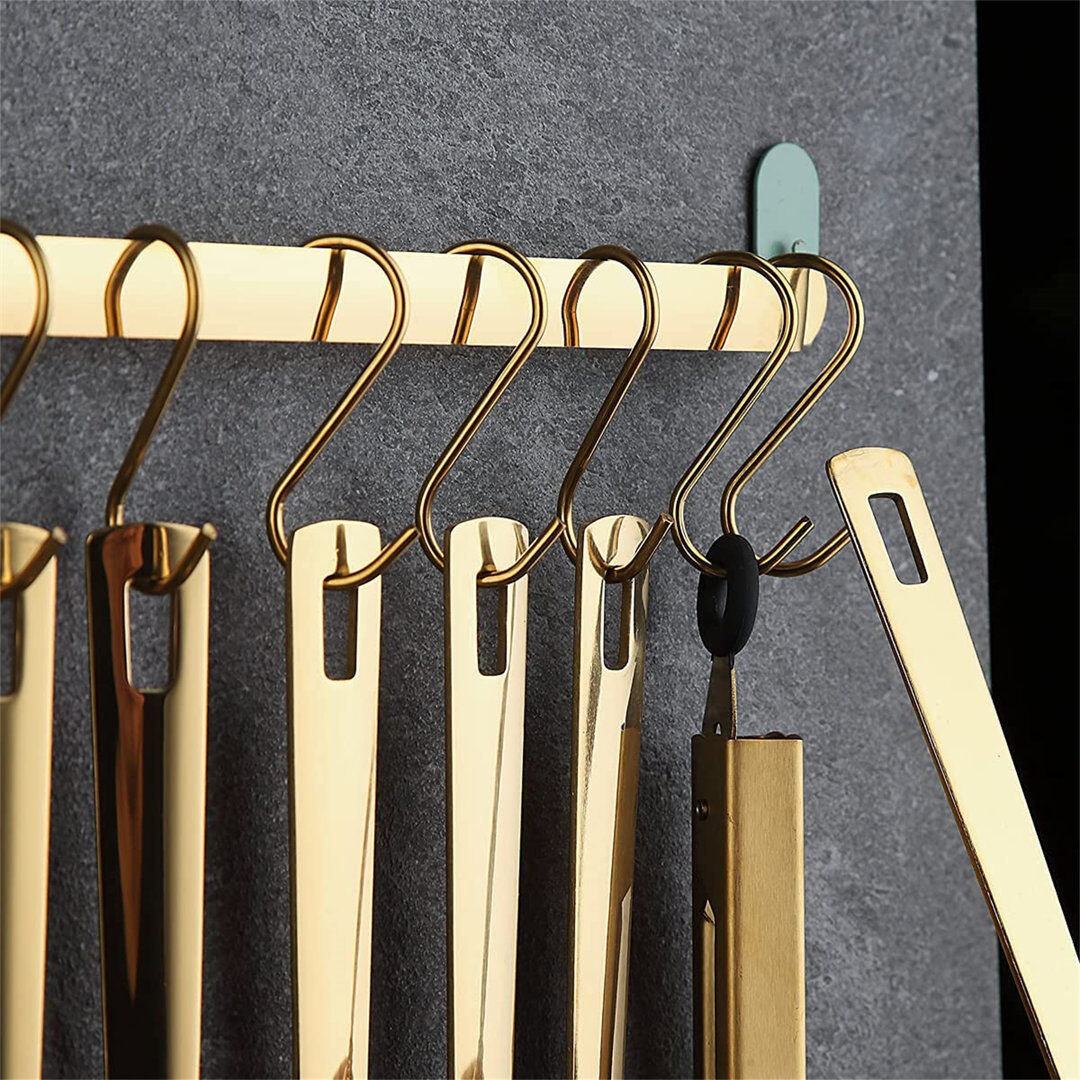
Belfry Kitchen Sincere 37 Utensil Set GoldDURABLE AND STYLISH DESIGN: This cookware set is designed for functionality. The kitchen utensils are designed with high-grade stainless steel and plated with titanium gold, showing the noble luxury. It will elevate your kitchen decor.HEALTHY MATERIALS: This cookware set is made of high quality stainless steel, lead free, PBA free, suitable for everyday cooking.. BEST KITCHEN TOOLS: A wide range of accessories to perfectly solve your culinary needs. It can be used not only at home, but also in hotels, restaurants and other places. Quality materials and fine workmanship also make the perfect gift.. Dishwasher Safe: The kitchen utensil set is made of high quality stainless steel, which is durable and rust resistant. Wipe clean and keep dry after use, use a soft cloth to clean and wash, do not use hard materials to wash and rub the utensils that keep it always shiny. It can last for years.. Brand Name: Belfry Kitchen.79,99 £*Shipping: 0,00 £Secure redirect to the provider
-
Sincere Surroundings Weatherproof Porch Boards Hide PackagesA witty welcome for the home where packages are a closely guarded secret, this porch board is designed to greet every delivery driver and guest at the front door with humor and charm.42,99 $*Shipping: 0,00 $Secure redirect to the provider
-
What is transpiration in biology?
Transpiration is the process by which plants absorb water through their roots and then release it into the atmosphere through small openings in their leaves called stomata. This process helps plants to regulate their temperature, transport nutrients, and maintain their shape. Transpiration also plays a role in the water cycle by returning water vapor to the atmosphere. **
-
How does transpiration depend on humidity?
Transpiration is the process by which water is lost from a plant through the stomata in its leaves. Humidity affects transpiration because it is the measure of water vapor in the air. When the air is dry, with low humidity, the plant will transpire more to compensate for the lack of moisture in the air. Conversely, when the air is humid, with high humidity, the plant will transpire less because the air already contains a significant amount of water vapor. Therefore, transpiration is directly influenced by the humidity of the surrounding air. **
-
What does a transpiration diagram look like?
A transpiration diagram typically shows the movement of water through a plant, from the roots to the leaves, and its subsequent release into the atmosphere through the process of transpiration. It often includes arrows to indicate the direction of water flow, as well as labels to identify the different parts of the plant involved in transpiration, such as roots, stem, and leaves. The diagram may also include annotations to explain the role of stomata in regulating transpiration and the factors that influence the rate of water loss. **
-
What is the significance of transpiration for plants?
Transpiration is essential for plants as it helps in the absorption of water and nutrients from the soil through the roots. It also helps in maintaining the plant's temperature by cooling the leaves through the process of evaporation. Additionally, transpiration plays a crucial role in the transportation of minerals and nutrients from the roots to the leaves and other parts of the plant. Overall, transpiration is vital for the overall health and growth of plants. **
Similar search terms for Transpiration
-
Benton Honest Cleansing Foam 150 gr 150 grHealth and Beauty Facial Cleansing Benton Honest Cleansing Foam 150 gr 150 gr Benton Honest Line presents honest ingredients that you can rest assured about. Formulated with natural surfactants derived from palm oil, Benton Honest Cleansing Foam gently cleanses fatigued skin caused by various types of stress and contamination. Benton Honest Line presents honest ingredients that you can rest assured about. Formulated with natural surfactants derived from palm oil, Benton Honest Cleansing Foam gently cleanses fatigued skin caused by various types of stress and contamination. This facial cleanser not only cleanses but moisturizes even more, minimizing skin tightness. Cleanser without natural tightness, palm oil derived surfactants Hydrates and softens the skin after cleansing without tightening the skin. Gentle Facial Cleanser Surfactants derived from palm oil RSPO used. c) Without sulfate and without PEG How to use: * Apply a moderate amount on the palm of your hand and foam with water. Massage gently on the skin and rinse thoroughly with warm water.12,03 £*Shipping: 3,99 £Secure redirect to the provider
-
Esofastore 1pc Manual Sofa Sincere Bone Finish Burlap UpholsteredFeatures:- •Transitioanl Style •Sincere Bone Finish •Burlap Fabric •Manual Sofa Set •Padded Headrest And Armrest •Manual Handle •Horizontal Tufting Product Description:- Indulge in unparalleled relaxation with the sofa set, crafted to deliver supreme…1544,49 $*Shipping: 0,00 $Secure redirect to the provider
-
Sincere Surroundings Porch Board Weatherproof Welcome Floral Pumpkins - 8x46.5x.5"Weatherproof porch boards! Engineered to withstand the harshest elements and ensure unmatched durability. These porch boards are the perfect foundation for your outdoor space. Proudly designed, manufactured and printed in the USA. Size: 8"" x 46.5"" x..."47,49 $*Shipping: 0,00 $Secure redirect to the provider
-
Esofastore Contemporary Sectional Set 4pc Button Tufted Sincere Bone FinishFeatures:- •Modern And Contemporary Style •Sincere Bone Finish •Burlap-Like Fabric •Cushion Back •Tapered Legs •USB Port •Accent Pillow •Button Tufted Product Description:- Transform your living space with this inviting 4-piece sectional set,...2087,49 $*Shipping: 0,00 $Secure redirect to the provider
-
Why do dead hair reduce transpiration in plants?
Dead hair reduces transpiration in plants because it forms a protective layer over the surface of the plant, reducing the rate of water loss through transpiration. This layer of dead hair acts as a barrier, preventing excessive water loss and helping the plant to conserve water in dry or arid conditions. Additionally, dead hair can also provide insulation, reducing the impact of environmental factors such as wind and sun exposure, which can further reduce transpiration. Overall, dead hair plays a crucial role in helping plants adapt and survive in challenging environmental conditions. **
-
How can an experiment on plant transpiration be conducted?
An experiment on plant transpiration can be conducted by setting up a simple apparatus called a potometer. This apparatus consists of a plant stem inserted into a capillary tube filled with water, allowing you to measure the rate of water uptake by the plant. By controlling factors such as light intensity, temperature, and humidity, you can observe how these variables affect the rate of transpiration in the plant. By recording the changes in water level in the capillary tube over time, you can calculate the rate of transpiration and draw conclusions about the factors influencing this process. **
-
How can one conduct an experiment on plant transpiration?
To conduct an experiment on plant transpiration, one can set up a simple experiment using potted plants, plastic bags, a scale, and a ruler. Start by placing a potted plant in a plastic bag and sealing it tightly. Leave the plant in a well-lit area for a set period of time, such as 24 hours. Weigh the plant before and after the experiment to measure the amount of water lost through transpiration. Use the ruler to measure the surface area of the leaves to calculate the rate of transpiration. **
-
How can the transpiration process in plants be investigated?
The transpiration process in plants can be investigated through several methods. One common method is to use a potometer, which measures the rate of water uptake by a plant. By measuring the change in water level in the potometer over time, the rate of transpiration can be calculated. Another method is to use a gas analyzer to measure the rate of water vapor loss from the leaves of a plant. Additionally, researchers can use isotopic labeling techniques to track the movement of water through the plant and determine the rate of transpiration. These methods provide valuable insights into the transpiration process and its role in plant physiology. **
* All prices are inclusive of VAT and, if applicable, plus shipping costs. The offer information is based on the details provided by the respective shop and is updated through automated processes. Real-time updates do not occur, so deviations can occur in individual cases. ** Note: Parts of this content were created by AI.