Buy truewords.eu ?
We are moving the project
truewords.eu .
Are you interested in purchasing the domain
truewords.eu ?
domain@kv-gmbh.de · 0541-91531010
Buy truewords.eu ?
What is an associative inhibition?
Associative inhibition is a psychological phenomenon where the learning of a new association between two stimuli is hindered by the presence of a previously learned association. This occurs when the two stimuli are presented together, but the individual has learned to associate one of the stimuli with a different response. As a result, the individual struggles to form a new association between the two stimuli. Associative inhibition is a form of interference that can impact the learning and memory processes. **
What is an associative anaphora?
An associative anaphora is a linguistic phenomenon where a word or phrase in a sentence refers back to a previously mentioned concept or idea, rather than a specific noun or pronoun. This type of anaphora creates a connection between different parts of a text by linking related concepts together. Associative anaphora is often used to maintain coherence and cohesion in a discourse, helping to guide the reader or listener through the flow of information. **


Similar search terms for Associative
Top-Angebote
Products related to Associative:
-
Sincere Surroundings Weatherproof Porch Board Welcome LeavesBold sage-green serif capitals spell out 'WELCOME' vertically down the length of this porch board, framed by delicate watercolor eucalyptus leaves and botanical sprays in soft sage and pale green tones that dance along both sides.42,99 $*Shipping: 0,00 $Secure redirect to the provider
-
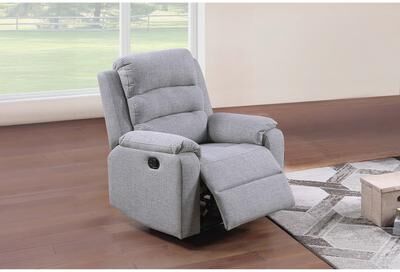
Esofastore Sincere Bone Finish 1pc Manual Recliner Tufted ChairFeatures:- •Transitioanl Style •Sincere Bone Finish •Burlap Fabric •Manual Sofa Set •Padded Headrest And Armrest •Manual Handle •Horizontal Tufting Product Description:- Indulge in unparalleled relaxation with the sofa set, crafted to deliver supreme…1266,99 $*Shipping: 0,00 $Secure redirect to the provider



-
What is the associative property used for?
The associative property is used to change the grouping of numbers in an operation without changing the result. This property is commonly used in addition and multiplication, where the order of the numbers being added or multiplied can be rearranged without affecting the final outcome. The associative property helps simplify calculations and allows for easier mental math computations. **
-
What is the purpose of the associative property?
The purpose of the associative property is to show that the grouping of numbers in an operation does not affect the outcome. In other words, it demonstrates that the order in which numbers are grouped when adding or multiplying does not change the result. This property is helpful in simplifying calculations and allows for more efficient problem-solving by rearranging the numbers in a way that is easier to work with. **
-
What is the associative law for 4 elements?
The associative law for 4 elements states that for any elements a, b, c, and d, the order in which we group them in a binary operation does not affect the result. In other words, (a * b) * (c * d) = a * (b * c) * d = a * b * c * d. This property holds true for any operation that is associative, such as addition or multiplication. **
-
What does the associative law state for matrices?
The associative law for matrices states that when multiplying three matrices together, the order in which the matrices are multiplied does not affect the final result. In other words, for matrices A, B, and C, (A*B)*C = A*(B*C). This property allows us to group matrices in different ways when performing matrix multiplication without changing the outcome. **


How do you derive the non-associative multiplication?
Non-associative multiplication is derived by defining a binary operation that combines two elements of a set to produce a third element. This operation does not follow the associative property, meaning that the order of operations matters. Non-associative multiplication can be defined by specifying the result of multiplying any two elements in the set. This can be represented using a multiplication table or by explicitly stating the result of each pair of elements. The non-associative multiplication operation can then be used to perform calculations within the set, taking into account the specific rules for combining elements. **
How do I recognize associative series and climax?
Associative series is recognized by a series of words, phrases, or clauses that are similar in structure and length, creating a sense of rhythm and repetition. This repetition helps to emphasize the ideas being presented. On the other hand, climax is recognized by a series of words, phrases, or clauses that are arranged in order of increasing importance or intensity, building up to a powerful conclusion. Both techniques can be identified by paying attention to the pattern and progression of the words and phrases used in a sentence or passage. **
Top-Angebote
Products related to Associative:
-
Belfry Kitchen Sincere 37 Utensil Set GoldDurable And Stylish Design: This cookware set is designed for functionality. The kitchen utensils are designed with high-grade stainless steel and plated with titanium gold, showing the noble luxury. It will elevate your kitchen decor. Healthy Materials: This cookware set is made of high-quality stainless steel, lead-free, PBA free, and suitable for everyday cooking. Best Kitchen Tools: A wide range of accessories to perfectly solve your culinary needs. It can be used not only at home but also in hotels, restaurants and other places. Quality materials and fine workmanship also make the perfect gift. Dishwasher Safe: The kitchen utensil set is made of high-quality stainless steel, which is durable and rust-resistant. Wipe clean and keep dry after use, use a soft cloth to clean and wash, do not use hard materials to wash and rub the utensils that keep it always shiny. It can last for years. Belfry Kitchen76,99 £*Shipping: 0,00 £Secure redirect to the provider
-
Sincere Surroundings Weatherproof Porch Boards Hide PackagesA witty welcome for the home where packages are a closely guarded secret, this porch board is designed to greet every delivery driver and guest at the front door with humor and charm.42,99 $*Shipping: 0,00 $Secure redirect to the provider
-
What is an associative inhibition?
Associative inhibition is a psychological phenomenon where the learning of a new association between two stimuli is hindered by the presence of a previously learned association. This occurs when the two stimuli are presented together, but the individual has learned to associate one of the stimuli with a different response. As a result, the individual struggles to form a new association between the two stimuli. Associative inhibition is a form of interference that can impact the learning and memory processes. **
-
What is an associative anaphora?
An associative anaphora is a linguistic phenomenon where a word or phrase in a sentence refers back to a previously mentioned concept or idea, rather than a specific noun or pronoun. This type of anaphora creates a connection between different parts of a text by linking related concepts together. Associative anaphora is often used to maintain coherence and cohesion in a discourse, helping to guide the reader or listener through the flow of information. **
-
What is the associative property used for?
The associative property is used to change the grouping of numbers in an operation without changing the result. This property is commonly used in addition and multiplication, where the order of the numbers being added or multiplied can be rearranged without affecting the final outcome. The associative property helps simplify calculations and allows for easier mental math computations. **
-
What is the purpose of the associative property?
The purpose of the associative property is to show that the grouping of numbers in an operation does not affect the outcome. In other words, it demonstrates that the order in which numbers are grouped when adding or multiplying does not change the result. This property is helpful in simplifying calculations and allows for more efficient problem-solving by rearranging the numbers in a way that is easier to work with. **
Similar search terms for Associative
-
Sincere Surroundings Weatherproof Porch Board Welcome LeavesBold sage-green serif capitals spell out 'WELCOME' vertically down the length of this porch board, framed by delicate watercolor eucalyptus leaves and botanical sprays in soft sage and pale green tones that dance along both sides.42,99 $*Shipping: 0,00 $Secure redirect to the provider
-
Esofastore Sincere Bone Finish 1pc Manual Recliner Tufted ChairFeatures:- •Transitioanl Style •Sincere Bone Finish •Burlap Fabric •Manual Sofa Set •Padded Headrest And Armrest •Manual Handle •Horizontal Tufting Product Description:- Indulge in unparalleled relaxation with the sofa set, crafted to deliver supreme…1266,99 $*Shipping: 0,00 $Secure redirect to the provider
-
Sincere Surroundings Porch Board Weatherproof Peace On Earth Cardinal - 8x46.5x.5"Bring hope and holiday spirit to your entryway. Featuring the heartfelt sentiment, ""Peace On Earth,"" this weatherproof porch board welcomes guests with reflection and seasonal warmth."47,49 $*Shipping: 0,00 $Secure redirect to the provider
-
Esofastore Transitional 2pc Manual Sofa Set Burlap Upholstered Sincere Bone FinishFeatures:- •Transitioanl Style •Sincere Finish •Burlap Fabric •Manual Sofa Set •Padded Headrest And Armrest •Manual Handle •Horizontal Tufting Product Description:- Indulge in unparalleled relaxation with the sofa set, crafted to deliver supreme...2104,49 $*Shipping: 0,00 $Secure redirect to the provider
-
What is the associative law for 4 elements?
The associative law for 4 elements states that for any elements a, b, c, and d, the order in which we group them in a binary operation does not affect the result. In other words, (a * b) * (c * d) = a * (b * c) * d = a * b * c * d. This property holds true for any operation that is associative, such as addition or multiplication. **
-
What does the associative law state for matrices?
The associative law for matrices states that when multiplying three matrices together, the order in which the matrices are multiplied does not affect the final result. In other words, for matrices A, B, and C, (A*B)*C = A*(B*C). This property allows us to group matrices in different ways when performing matrix multiplication without changing the outcome. **
-
How do you derive the non-associative multiplication?
Non-associative multiplication is derived by defining a binary operation that combines two elements of a set to produce a third element. This operation does not follow the associative property, meaning that the order of operations matters. Non-associative multiplication can be defined by specifying the result of multiplying any two elements in the set. This can be represented using a multiplication table or by explicitly stating the result of each pair of elements. The non-associative multiplication operation can then be used to perform calculations within the set, taking into account the specific rules for combining elements. **
-
How do I recognize associative series and climax?
Associative series is recognized by a series of words, phrases, or clauses that are similar in structure and length, creating a sense of rhythm and repetition. This repetition helps to emphasize the ideas being presented. On the other hand, climax is recognized by a series of words, phrases, or clauses that are arranged in order of increasing importance or intensity, building up to a powerful conclusion. Both techniques can be identified by paying attention to the pattern and progression of the words and phrases used in a sentence or passage. **
* All prices are inclusive of VAT and, if applicable, plus shipping costs. The offer information is based on the details provided by the respective shop and is updated through automated processes. Real-time updates do not occur, so deviations can occur in individual cases. ** Note: Parts of this content were created by AI.