Buy truewords.eu ?
We are moving the project
truewords.eu .
Are you interested in purchasing the domain
truewords.eu ?
domain@kv-gmbh.de · 0541-91531010
Buy truewords.eu ?
How can one count steps at home?
One can count steps at home by using a pedometer or a fitness tracker that can track steps taken throughout the day. Another way is to manually count steps by taking note of each step as you walk around your home. You can also estimate the number of steps by measuring the distance you walk and using a conversion factor to calculate the steps taken. **
Is this a real Chinese vase?
Without seeing the vase in question, it is difficult to determine if it is a real Chinese vase. However, there are certain characteristics to look for in determining the authenticity of a Chinese vase, such as the type of clay used, the style and technique of the painting, and the presence of certain markings or seals. It is best to consult with a reputable expert or appraiser in Chinese ceramics to authenticate the vase. **
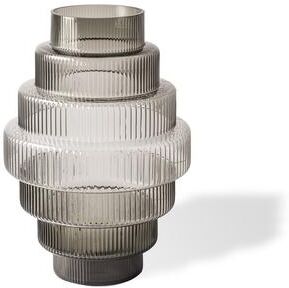

Similar search terms for BIDK-Home-Vase-Steps
Top-Angebote
Products related to BIDK-Home-Vase-Steps:
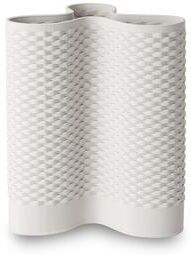
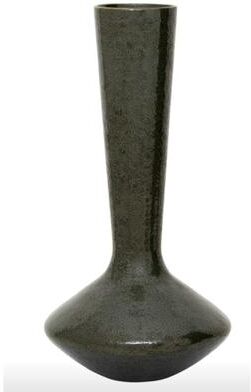


-
Is the Chinese vase real or fake?
Without physically examining the vase, it is impossible to definitively determine if it is real or fake. However, some factors that could help determine its authenticity include its age, material, craftsmanship, and any accompanying documentation or provenance. Consulting with a reputable appraiser or expert in Chinese ceramics may provide more insight into the vase's authenticity. **
-
What does a real Chinese vase look like?
A real Chinese vase is typically made of high-quality porcelain or ceramic and is often hand-painted with intricate designs and patterns. It may feature traditional Chinese motifs such as dragons, phoenixes, flowers, or landscapes. The vase may also have a smooth, glossy finish and a delicate, refined shape. Additionally, a real Chinese vase may bear a mark or inscription on the bottom indicating its origin and maker. **
-
'Vase or glass?'
It depends on the context and purpose. A vase is typically used for holding flowers or decorative branches, while a glass is used for drinking liquids. If the question is about which one to use for a specific purpose, then the answer would depend on whether the intention is to display flowers or to serve a beverage. Both have their own unique functions and can be chosen based on the specific need at hand. **
-
Who made this vase?
This vase was made by an ancient Greek potter and artist. It is an example of Greek pottery from the 5th century BC, known for its intricate designs and skilled craftsmanship. The artist's name is not known, as pottery from this time period was typically not signed or attributed to specific individuals. However, it is likely that the vase was made in a workshop where multiple artists and potters collaborated on creating such pieces. **
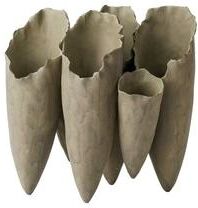
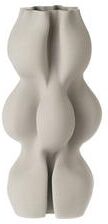
Is the vase broken?
Yes, the vase is broken. It is in pieces and cannot be used in its original form. **
Who knows this vase?
The person who knows this vase is likely the owner or someone who has a personal connection to it. It could also be someone who has studied or researched the vase, such as an art historian or a museum curator. Additionally, the artist or creator of the vase would also have knowledge of it. **
Top-Angebote
Products related to BIDK-Home-Vase-Steps:
-
How can one count steps at home?
One can count steps at home by using a pedometer or a fitness tracker that can track steps taken throughout the day. Another way is to manually count steps by taking note of each step as you walk around your home. You can also estimate the number of steps by measuring the distance you walk and using a conversion factor to calculate the steps taken. **
-
Is this a real Chinese vase?
Without seeing the vase in question, it is difficult to determine if it is a real Chinese vase. However, there are certain characteristics to look for in determining the authenticity of a Chinese vase, such as the type of clay used, the style and technique of the painting, and the presence of certain markings or seals. It is best to consult with a reputable expert or appraiser in Chinese ceramics to authenticate the vase. **
-
Is the Chinese vase real or fake?
Without physically examining the vase, it is impossible to definitively determine if it is real or fake. However, some factors that could help determine its authenticity include its age, material, craftsmanship, and any accompanying documentation or provenance. Consulting with a reputable appraiser or expert in Chinese ceramics may provide more insight into the vase's authenticity. **
-
What does a real Chinese vase look like?
A real Chinese vase is typically made of high-quality porcelain or ceramic and is often hand-painted with intricate designs and patterns. It may feature traditional Chinese motifs such as dragons, phoenixes, flowers, or landscapes. The vase may also have a smooth, glossy finish and a delicate, refined shape. Additionally, a real Chinese vase may bear a mark or inscription on the bottom indicating its origin and maker. **
Similar search terms for BIDK-Home-Vase-Steps
-
'Vase or glass?'
It depends on the context and purpose. A vase is typically used for holding flowers or decorative branches, while a glass is used for drinking liquids. If the question is about which one to use for a specific purpose, then the answer would depend on whether the intention is to display flowers or to serve a beverage. Both have their own unique functions and can be chosen based on the specific need at hand. **
-
Who made this vase?
This vase was made by an ancient Greek potter and artist. It is an example of Greek pottery from the 5th century BC, known for its intricate designs and skilled craftsmanship. The artist's name is not known, as pottery from this time period was typically not signed or attributed to specific individuals. However, it is likely that the vase was made in a workshop where multiple artists and potters collaborated on creating such pieces. **
-
Is the vase broken?
Yes, the vase is broken. It is in pieces and cannot be used in its original form. **
-
Who knows this vase?
The person who knows this vase is likely the owner or someone who has a personal connection to it. It could also be someone who has studied or researched the vase, such as an art historian or a museum curator. Additionally, the artist or creator of the vase would also have knowledge of it. **
* All prices are inclusive of VAT and, if applicable, plus shipping costs. The offer information is based on the details provided by the respective shop and is updated through automated processes. Real-time updates do not occur, so deviations can occur in individual cases. ** Note: Parts of this content were created by AI.