Buy truewords.eu ?
We are moving the project
truewords.eu .
Are you interested in purchasing the domain
truewords.eu ?
domain@kv-gmbh.de · 0541-91531010
Buy truewords.eu ?
Can real gold rust?
No, real gold cannot rust. Rust is a chemical reaction that occurs when iron or other metals oxidize, but gold is a noble metal and does not react with oxygen. This is one of the reasons why gold is highly valued and sought after for its durability and resistance to corrosion. However, gold can still be affected by other chemical reactions or environmental factors that may cause it to tarnish or discolor over time. **
Can real silver rust?
Yes, real silver can tarnish, which is a form of corrosion that gives silver a dull, darkened appearance. This tarnishing occurs when silver comes into contact with sulfur compounds in the air or on the skin. However, unlike iron or steel, silver does not rust in the same way. Instead, it forms a tarnish layer that can be easily removed with polishing. **

Similar search terms for CRC-33399-AA-Rust-Solvent
Top-Angebote
Products related to CRC-33399-AA-Rust-Solvent:
-
PRESTO 157233 Rust SolventOperating temperature from [°C]: 5; Operating temperature to [°C]: 30; Container Type: aerosol; Capacity [ml]: 400; Height: 201; Width [mm]: 69; Depth [mm]: 69; Weight [kg]: 0,346; Observe service information: ; Liquid:5,99 £*Shipping: 8,45 £Secure redirect to the provider


-
Does real gold never rust?
Real gold does not rust because it is a noble metal, meaning it is resistant to corrosion and oxidation. Unlike iron or steel, which can rust when exposed to moisture and air, gold remains unaffected by these elements. This is one of the reasons why gold has been highly valued throughout history and is often used in jewelry and other decorative items. However, it is important to note that gold can still be scratched or dulled over time through wear and tear. **
-
What does CRC mean on a CD?
CRC stands for Cyclic Redundancy Check. It is a type of error-checking code used to detect errors in data on a CD. When a CD is read, the CRC is calculated and compared to the original CRC value to ensure that the data has been read correctly. If the CRC values do not match, it indicates that there may be errors in the data. **
-
How to check data errors using CRC?
To check data errors using CRC (Cyclic Redundancy Check), the sender first calculates the CRC value for the data using a specific algorithm. This CRC value is then appended to the data before transmission. The receiver also calculates the CRC value for the received data using the same algorithm. If the calculated CRC value at the receiver matches the one received from the sender, it indicates that the data has been received without errors. If the CRC values do not match, it signifies that errors have occurred during transmission. **
-
Is ethanol a universal solvent?
Ethanol is not considered a universal solvent because it cannot dissolve all substances. While ethanol is a good solvent for many organic compounds, it may not dissolve certain inorganic substances or nonpolar molecules. Water is often considered a universal solvent because it can dissolve a wide range of substances due to its polar nature. Ethanol's solvent properties are limited to certain types of compounds, making it not universally effective for dissolving all substances. **

What is the strongest solvent?
The strongest solvent is typically considered to be sulfuric acid. It is a highly corrosive and powerful acid that can dissolve a wide range of materials, including metals, organic compounds, and even some plastics. Sulfuric acid is commonly used in industrial processes, laboratory settings, and chemical manufacturing due to its ability to dissolve a variety of substances. However, it is important to handle sulfuric acid with extreme caution due to its highly corrosive nature. **
What is a hard solvent?
A hard solvent is a type of solvent that has a high solvency power and is capable of dissolving a wide range of substances, including oils, greases, and waxes. These solvents are often used in industrial cleaning applications, such as degreasing metal parts or removing tough stains. Hard solvents are typically more aggressive and can pose health and environmental risks, so they should be handled with care and used in well-ventilated areas. Examples of hard solvents include mineral spirits, acetone, and methyl ethyl ketone. **
Top-Angebote
Products related to CRC-33399-AA-Rust-Solvent:
-
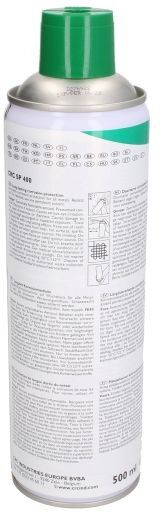
CRC 32350-AA Rust converterCapacity [ml]: 500; Container Type: aerosol; Chemical Properties: Long-term Protection, Water-repellent; Suitable For (substance/mix/gas/chemicals): Metal; Time Domain: 2 year; Weight [g]: 458; Version: SP 400; Liquid:19,99 £*Shipping: 8,45 £Secure redirect to the provider
-
Can real gold rust?
No, real gold cannot rust. Rust is a chemical reaction that occurs when iron or other metals oxidize, but gold is a noble metal and does not react with oxygen. This is one of the reasons why gold is highly valued and sought after for its durability and resistance to corrosion. However, gold can still be affected by other chemical reactions or environmental factors that may cause it to tarnish or discolor over time. **
-
Can real silver rust?
Yes, real silver can tarnish, which is a form of corrosion that gives silver a dull, darkened appearance. This tarnishing occurs when silver comes into contact with sulfur compounds in the air or on the skin. However, unlike iron or steel, silver does not rust in the same way. Instead, it forms a tarnish layer that can be easily removed with polishing. **
-
Does real gold never rust?
Real gold does not rust because it is a noble metal, meaning it is resistant to corrosion and oxidation. Unlike iron or steel, which can rust when exposed to moisture and air, gold remains unaffected by these elements. This is one of the reasons why gold has been highly valued throughout history and is often used in jewelry and other decorative items. However, it is important to note that gold can still be scratched or dulled over time through wear and tear. **
-
What does CRC mean on a CD?
CRC stands for Cyclic Redundancy Check. It is a type of error-checking code used to detect errors in data on a CD. When a CD is read, the CRC is calculated and compared to the original CRC value to ensure that the data has been read correctly. If the CRC values do not match, it indicates that there may be errors in the data. **
Similar search terms for CRC-33399-AA-Rust-Solvent
-
PRESTO 157233 Rust SolventOperating temperature from [°C]: 5; Operating temperature to [°C]: 30; Container Type: aerosol; Capacity [ml]: 400; Height: 201; Width [mm]: 69; Depth [mm]: 69; Weight [kg]: 0,346; Observe service information: ; Liquid:5,99 £*Shipping: 8,45 £Secure redirect to the provider
-
How to check data errors using CRC?
To check data errors using CRC (Cyclic Redundancy Check), the sender first calculates the CRC value for the data using a specific algorithm. This CRC value is then appended to the data before transmission. The receiver also calculates the CRC value for the received data using the same algorithm. If the calculated CRC value at the receiver matches the one received from the sender, it indicates that the data has been received without errors. If the CRC values do not match, it signifies that errors have occurred during transmission. **
-
Is ethanol a universal solvent?
Ethanol is not considered a universal solvent because it cannot dissolve all substances. While ethanol is a good solvent for many organic compounds, it may not dissolve certain inorganic substances or nonpolar molecules. Water is often considered a universal solvent because it can dissolve a wide range of substances due to its polar nature. Ethanol's solvent properties are limited to certain types of compounds, making it not universally effective for dissolving all substances. **
-
What is the strongest solvent?
The strongest solvent is typically considered to be sulfuric acid. It is a highly corrosive and powerful acid that can dissolve a wide range of materials, including metals, organic compounds, and even some plastics. Sulfuric acid is commonly used in industrial processes, laboratory settings, and chemical manufacturing due to its ability to dissolve a variety of substances. However, it is important to handle sulfuric acid with extreme caution due to its highly corrosive nature. **
-
What is a hard solvent?
A hard solvent is a type of solvent that has a high solvency power and is capable of dissolving a wide range of substances, including oils, greases, and waxes. These solvents are often used in industrial cleaning applications, such as degreasing metal parts or removing tough stains. Hard solvents are typically more aggressive and can pose health and environmental risks, so they should be handled with care and used in well-ventilated areas. Examples of hard solvents include mineral spirits, acetone, and methyl ethyl ketone. **
* All prices are inclusive of VAT and, if applicable, plus shipping costs. The offer information is based on the details provided by the respective shop and is updated through automated processes. Real-time updates do not occur, so deviations can occur in individual cases. ** Note: Parts of this content were created by AI.