Buy truewords.eu ?
We are moving the project
truewords.eu .
Are you interested in purchasing the domain
truewords.eu ?
domain@kv-gmbh.de · 0541-91531010
Buy truewords.eu ?
Despite treatment, there is no real improvement in diarrhea.
If there is no real improvement in diarrhea despite treatment, it may be necessary to re-evaluate the diagnosis and treatment plan. It is important to consider other potential causes of the diarrhea, such as infections, food intolerances, or underlying medical conditions. Additionally, the healthcare provider may need to adjust the current treatment plan or consider alternative treatment options to address the persistent symptoms. It is important to communicate openly with the healthcare provider about the lack of improvement in order to explore other potential solutions. **
What causes diarrhea?
Diarrhea can be caused by a variety of factors, including viral or bacterial infections, food poisoning, parasites, certain medications, and chronic conditions such as irritable bowel syndrome or inflammatory bowel disease. Consuming contaminated food or water, having a sensitivity to certain foods, or experiencing high levels of stress can also trigger diarrhea. In some cases, diarrhea may be a symptom of a more serious underlying health issue and should be evaluated by a healthcare professional if it persists. **


Similar search terms for Diarrhea
Top-Angebote
Products related to Diarrhea:
-
Sincere Surroundings Weatherproof Porch Board Welcome LeavesBold sage-green serif capitals spell out 'WELCOME' vertically down the length of this porch board, framed by delicate watercolor eucalyptus leaves and botanical sprays in soft sage and pale green tones that dance along both sides.42,99 $*Shipping: 0,00 $Secure redirect to the provider
-
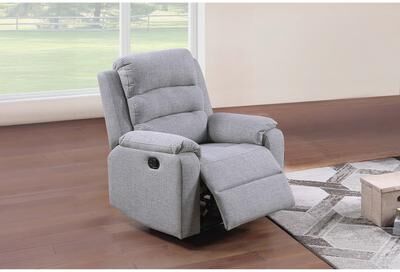
Esofastore Sincere Bone Finish 1pc Manual Recliner Tufted ChairFeatures:- •Transitioanl Style •Sincere Bone Finish •Burlap Fabric •Manual Sofa Set •Padded Headrest And Armrest •Manual Handle •Horizontal Tufting Product Description:- Indulge in unparalleled relaxation with the sofa set, crafted to deliver supreme…1266,99 $*Shipping: 0,00 $Secure redirect to the provider



-
Why is there diarrhea?
Diarrhea can be caused by a variety of factors, including infections from viruses, bacteria, or parasites, food intolerances, medications, or underlying medical conditions. When the intestines become irritated or inflamed, they may not be able to absorb water properly, leading to loose or watery stools. It is the body's way of trying to quickly expel harmful substances or pathogens. Staying hydrated and seeking medical attention if diarrhea persists is important to prevent dehydration and address any underlying causes. **
-
What caused my diarrhea?
Diarrhea can be caused by a variety of factors such as viral or bacterial infections, food poisoning, certain medications, food intolerances, or underlying health conditions like irritable bowel syndrome or inflammatory bowel disease. It is important to consider recent changes in diet, any recent travel, exposure to sick individuals, or any new medications you may have started taking. If your diarrhea persists or is accompanied by other concerning symptoms, it is recommended to consult with a healthcare provider for a proper diagnosis and treatment. **
-
What is orange diarrhea?
Orange diarrhea is a condition where stool appears orange in color, which can be caused by various factors such as diet, medications, or underlying health conditions. Consuming foods high in beta-carotene, such as carrots or sweet potatoes, can sometimes lead to orange-colored stool. However, if the orange diarrhea is persistent or accompanied by other symptoms like abdominal pain or fever, it is important to consult a healthcare provider to determine the underlying cause and appropriate treatment. **
-
Which puppy has diarrhea?
The puppy with diarrhea is the one that is experiencing frequent loose or watery stools. Diarrhea in puppies can be caused by various factors such as dietary changes, infections, parasites, or stress. It is important to monitor the puppy closely, provide plenty of water to prevent dehydration, and consult a veterinarian for proper diagnosis and treatment. **


Which medications for diarrhea?
There are several over-the-counter medications available for treating diarrhea, such as loperamide (Imodium) and bismuth subsalicylate (Pepto-Bismol). These medications work by slowing down the movement of the intestines and reducing the frequency of bowel movements. It is important to follow the instructions on the packaging and consult with a healthcare provider if diarrhea persists for more than a couple of days or is accompanied by other concerning symptoms. In some cases, prescription medications may be necessary to treat underlying causes of diarrhea. **
Does Panacur worsen diarrhea?
Panacur, also known as fenbendazole, is an anthelmintic medication commonly used to treat parasitic infections in animals. While diarrhea can be a side effect of Panacur, it is not typically known to worsen diarrhea. In some cases, diarrhea may actually improve as the medication helps to eliminate the parasites causing the infection. However, if diarrhea persists or worsens while using Panacur, it is important to consult a veterinarian for further evaluation and possible treatment adjustments. **
Top-Angebote
Products related to Diarrhea:
-
Belfry Kitchen Sincere 37 Utensil Set GoldDurable And Stylish Design: This cookware set is designed for functionality. The kitchen utensils are designed with high-grade stainless steel and plated with titanium gold, showing the noble luxury. It will elevate your kitchen decor. Healthy Materials: This cookware set is made of high-quality stainless steel, lead-free, PBA free, and suitable for everyday cooking. Best Kitchen Tools: A wide range of accessories to perfectly solve your culinary needs. It can be used not only at home but also in hotels, restaurants and other places. Quality materials and fine workmanship also make the perfect gift. Dishwasher Safe: The kitchen utensil set is made of high-quality stainless steel, which is durable and rust-resistant. Wipe clean and keep dry after use, use a soft cloth to clean and wash, do not use hard materials to wash and rub the utensils that keep it always shiny. It can last for years. Belfry Kitchen76,99 £*Shipping: 0,00 £Secure redirect to the provider
-
Sincere Surroundings Weatherproof Porch Boards Hide PackagesA witty welcome for the home where packages are a closely guarded secret, this porch board is designed to greet every delivery driver and guest at the front door with humor and charm.42,99 $*Shipping: 0,00 $Secure redirect to the provider
-
Despite treatment, there is no real improvement in diarrhea.
If there is no real improvement in diarrhea despite treatment, it may be necessary to re-evaluate the diagnosis and treatment plan. It is important to consider other potential causes of the diarrhea, such as infections, food intolerances, or underlying medical conditions. Additionally, the healthcare provider may need to adjust the current treatment plan or consider alternative treatment options to address the persistent symptoms. It is important to communicate openly with the healthcare provider about the lack of improvement in order to explore other potential solutions. **
-
What causes diarrhea?
Diarrhea can be caused by a variety of factors, including viral or bacterial infections, food poisoning, parasites, certain medications, and chronic conditions such as irritable bowel syndrome or inflammatory bowel disease. Consuming contaminated food or water, having a sensitivity to certain foods, or experiencing high levels of stress can also trigger diarrhea. In some cases, diarrhea may be a symptom of a more serious underlying health issue and should be evaluated by a healthcare professional if it persists. **
-
Why is there diarrhea?
Diarrhea can be caused by a variety of factors, including infections from viruses, bacteria, or parasites, food intolerances, medications, or underlying medical conditions. When the intestines become irritated or inflamed, they may not be able to absorb water properly, leading to loose or watery stools. It is the body's way of trying to quickly expel harmful substances or pathogens. Staying hydrated and seeking medical attention if diarrhea persists is important to prevent dehydration and address any underlying causes. **
-
What caused my diarrhea?
Diarrhea can be caused by a variety of factors such as viral or bacterial infections, food poisoning, certain medications, food intolerances, or underlying health conditions like irritable bowel syndrome or inflammatory bowel disease. It is important to consider recent changes in diet, any recent travel, exposure to sick individuals, or any new medications you may have started taking. If your diarrhea persists or is accompanied by other concerning symptoms, it is recommended to consult with a healthcare provider for a proper diagnosis and treatment. **
Similar search terms for Diarrhea
-
Sincere Surroundings Weatherproof Porch Board Welcome LeavesBold sage-green serif capitals spell out 'WELCOME' vertically down the length of this porch board, framed by delicate watercolor eucalyptus leaves and botanical sprays in soft sage and pale green tones that dance along both sides.42,99 $*Shipping: 0,00 $Secure redirect to the provider
-
Esofastore Sincere Bone Finish 1pc Manual Recliner Tufted ChairFeatures:- •Transitioanl Style •Sincere Bone Finish •Burlap Fabric •Manual Sofa Set •Padded Headrest And Armrest •Manual Handle •Horizontal Tufting Product Description:- Indulge in unparalleled relaxation with the sofa set, crafted to deliver supreme…1266,99 $*Shipping: 0,00 $Secure redirect to the provider
-
Sincere Surroundings Porch Board Weatherproof Peace On Earth Cardinal - 8x46.5x.5"Bring hope and holiday spirit to your entryway. Featuring the heartfelt sentiment, ""Peace On Earth,"" this weatherproof porch board welcomes guests with reflection and seasonal warmth."47,49 $*Shipping: 0,00 $Secure redirect to the provider
-
Esofastore Transitional 2pc Manual Sofa Set Burlap Upholstered Sincere Bone FinishFeatures:- •Transitioanl Style •Sincere Finish •Burlap Fabric •Manual Sofa Set •Padded Headrest And Armrest •Manual Handle •Horizontal Tufting Product Description:- Indulge in unparalleled relaxation with the sofa set, crafted to deliver supreme...2104,49 $*Shipping: 0,00 $Secure redirect to the provider
-
What is orange diarrhea?
Orange diarrhea is a condition where stool appears orange in color, which can be caused by various factors such as diet, medications, or underlying health conditions. Consuming foods high in beta-carotene, such as carrots or sweet potatoes, can sometimes lead to orange-colored stool. However, if the orange diarrhea is persistent or accompanied by other symptoms like abdominal pain or fever, it is important to consult a healthcare provider to determine the underlying cause and appropriate treatment. **
-
Which puppy has diarrhea?
The puppy with diarrhea is the one that is experiencing frequent loose or watery stools. Diarrhea in puppies can be caused by various factors such as dietary changes, infections, parasites, or stress. It is important to monitor the puppy closely, provide plenty of water to prevent dehydration, and consult a veterinarian for proper diagnosis and treatment. **
-
Which medications for diarrhea?
There are several over-the-counter medications available for treating diarrhea, such as loperamide (Imodium) and bismuth subsalicylate (Pepto-Bismol). These medications work by slowing down the movement of the intestines and reducing the frequency of bowel movements. It is important to follow the instructions on the packaging and consult with a healthcare provider if diarrhea persists for more than a couple of days or is accompanied by other concerning symptoms. In some cases, prescription medications may be necessary to treat underlying causes of diarrhea. **
-
Does Panacur worsen diarrhea?
Panacur, also known as fenbendazole, is an anthelmintic medication commonly used to treat parasitic infections in animals. While diarrhea can be a side effect of Panacur, it is not typically known to worsen diarrhea. In some cases, diarrhea may actually improve as the medication helps to eliminate the parasites causing the infection. However, if diarrhea persists or worsens while using Panacur, it is important to consult a veterinarian for further evaluation and possible treatment adjustments. **
* All prices are inclusive of VAT and, if applicable, plus shipping costs. The offer information is based on the details provided by the respective shop and is updated through automated processes. Real-time updates do not occur, so deviations can occur in individual cases. ** Note: Parts of this content were created by AI.