Buy truewords.eu ?
We are moving the project
truewords.eu .
Are you interested in purchasing the domain
truewords.eu ?
domain@kv-gmbh.de · 0541-91531010
Buy truewords.eu ?
Is God real or more fictional?
The existence of God is a matter of personal belief and faith. For many people, God is a real and tangible presence in their lives, providing comfort, guidance, and purpose. Others may view God as a fictional or symbolic concept that represents human ideals and values. Ultimately, the question of God's reality is deeply subjective and varies from person to person. **
Is the short story fictional or non-fictional?
The short story is fictional. It is a work of fiction that tells a made-up story, often involving characters, events, and settings that are not real. Fictional stories are created by the author's imagination and are not based on real events or people. **


Similar search terms for Fictional
Top-Angebote
Products related to Fictional:
-
Sincere Surroundings Weatherproof Porch Board Welcome LeavesBold sage-green serif capitals spell out 'WELCOME' vertically down the length of this porch board, framed by delicate watercolor eucalyptus leaves and botanical sprays in soft sage and pale green tones that dance along both sides.42,99 $*Shipping: 0,00 $Secure redirect to the provider
-
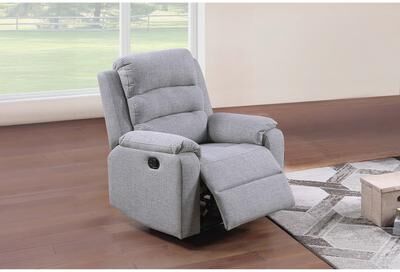
Esofastore Sincere Bone Finish 1pc Manual Recliner Tufted ChairFeatures:- •Transitioanl Style •Sincere Bone Finish •Burlap Fabric •Manual Sofa Set •Padded Headrest And Armrest •Manual Handle •Horizontal Tufting Product Description:- Indulge in unparalleled relaxation with the sofa set, crafted to deliver supreme…1266,99 $*Shipping: 0,00 $Secure redirect to the provider



-
Empathy for fictional characters or only real people?
Empathy can be felt for both fictional characters and real people. When we engage with a well-written story, we can develop a deep connection with the characters and feel empathy for their struggles and triumphs. This emotional connection can help us understand and relate to the experiences of others, whether they are real or fictional. Ultimately, empathy is a powerful tool for building understanding and compassion, regardless of whether it is directed towards real or fictional individuals. **
-
What is the difference between fictional and non-fictional texts?
Fictional texts are narratives that are created from the author's imagination and are not based on real events or people. They often include elements of storytelling, such as characters, plot, and setting. Non-fictional texts, on the other hand, are based on real events, people, and information. They are meant to inform or educate the reader about a particular topic, and are often written in a more straightforward and factual style. Overall, the key difference between the two is that fictional texts are made-up stories, while non-fictional texts are based on real-life events and information. **
-
What do you find more appealing: real or fictional places?
I find both real and fictional places appealing in different ways. Real places have a sense of authenticity and history that can be fascinating to explore, while fictional places offer the opportunity for creativity and imagination to run wild. Both have their own unique charm and appeal, and I enjoy experiencing and learning about both types of places. **
-
Are Ingrid and Klaus fictional characters or are they real?
Ingrid and Klaus are fictional characters. They are not real people, but rather creations of a story, book, or other form of media. Their actions, thoughts, and experiences are all part of a fictional narrative and are not based on real events or individuals. **

What are fictional places?
Fictional places are locations that are created within works of fiction, such as books, movies, or television shows. These places do not exist in the real world, but are imagined by the author or creator of the work. They can range from fantastical realms like Narnia or Middle-earth to more realistic settings like the town of Maycomb in "To Kill a Mockingbird." Fictional places serve as the backdrop for the story and often play a significant role in shaping the narrative and the characters' experiences. **
What are fictional elements?
Fictional elements are the imaginative and made-up components that contribute to the creation of a fictional story or world. These elements can include characters, settings, events, and objects that do not exist in reality but are essential to the narrative. Fictional elements allow authors to create unique and captivating stories that transport readers to new and fantastical worlds. They are a key aspect of fiction and play a crucial role in engaging the audience and bringing the story to life. **
Top-Angebote
Products related to Fictional:
-
Belfry Kitchen Sincere 37 Utensil Set GoldDurable And Stylish Design: This cookware set is designed for functionality. The kitchen utensils are designed with high-grade stainless steel and plated with titanium gold, showing the noble luxury. It will elevate your kitchen decor. Healthy Materials: This cookware set is made of high-quality stainless steel, lead-free, PBA free, and suitable for everyday cooking. Best Kitchen Tools: A wide range of accessories to perfectly solve your culinary needs. It can be used not only at home but also in hotels, restaurants and other places. Quality materials and fine workmanship also make the perfect gift. Dishwasher Safe: The kitchen utensil set is made of high-quality stainless steel, which is durable and rust-resistant. Wipe clean and keep dry after use, use a soft cloth to clean and wash, do not use hard materials to wash and rub the utensils that keep it always shiny. It can last for years. Belfry Kitchen76,99 £*Shipping: 0,00 £Secure redirect to the provider
-
Sincere Surroundings Weatherproof Porch Boards Hide PackagesA witty welcome for the home where packages are a closely guarded secret, this porch board is designed to greet every delivery driver and guest at the front door with humor and charm.42,99 $*Shipping: 0,00 $Secure redirect to the provider
-
Is God real or more fictional?
The existence of God is a matter of personal belief and faith. For many people, God is a real and tangible presence in their lives, providing comfort, guidance, and purpose. Others may view God as a fictional or symbolic concept that represents human ideals and values. Ultimately, the question of God's reality is deeply subjective and varies from person to person. **
-
Is the short story fictional or non-fictional?
The short story is fictional. It is a work of fiction that tells a made-up story, often involving characters, events, and settings that are not real. Fictional stories are created by the author's imagination and are not based on real events or people. **
-
Empathy for fictional characters or only real people?
Empathy can be felt for both fictional characters and real people. When we engage with a well-written story, we can develop a deep connection with the characters and feel empathy for their struggles and triumphs. This emotional connection can help us understand and relate to the experiences of others, whether they are real or fictional. Ultimately, empathy is a powerful tool for building understanding and compassion, regardless of whether it is directed towards real or fictional individuals. **
-
What is the difference between fictional and non-fictional texts?
Fictional texts are narratives that are created from the author's imagination and are not based on real events or people. They often include elements of storytelling, such as characters, plot, and setting. Non-fictional texts, on the other hand, are based on real events, people, and information. They are meant to inform or educate the reader about a particular topic, and are often written in a more straightforward and factual style. Overall, the key difference between the two is that fictional texts are made-up stories, while non-fictional texts are based on real-life events and information. **
Similar search terms for Fictional
-
Sincere Surroundings Weatherproof Porch Board Welcome LeavesBold sage-green serif capitals spell out 'WELCOME' vertically down the length of this porch board, framed by delicate watercolor eucalyptus leaves and botanical sprays in soft sage and pale green tones that dance along both sides.42,99 $*Shipping: 0,00 $Secure redirect to the provider
-
Esofastore Sincere Bone Finish 1pc Manual Recliner Tufted ChairFeatures:- •Transitioanl Style •Sincere Bone Finish •Burlap Fabric •Manual Sofa Set •Padded Headrest And Armrest •Manual Handle •Horizontal Tufting Product Description:- Indulge in unparalleled relaxation with the sofa set, crafted to deliver supreme…1266,99 $*Shipping: 0,00 $Secure redirect to the provider
-
Sincere Surroundings Porch Board Weatherproof Peace On Earth Cardinal - 8x46.5x.5"Bring hope and holiday spirit to your entryway. Featuring the heartfelt sentiment, ""Peace On Earth,"" this weatherproof porch board welcomes guests with reflection and seasonal warmth."47,49 $*Shipping: 0,00 $Secure redirect to the provider
-
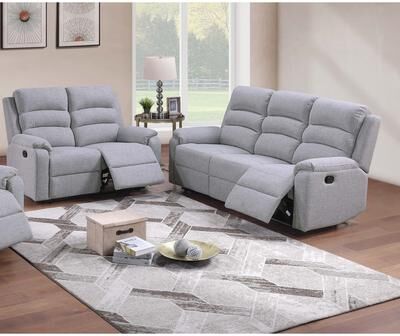
Esofastore Transitional 2pc Manual Sofa Set Burlap Upholstered Sincere Bone FinishFeatures:- •Transitioanl Style •Sincere Finish •Burlap Fabric •Manual Sofa Set •Padded Headrest And Armrest •Manual Handle •Horizontal Tufting Product Description:- Indulge in unparalleled relaxation with the sofa set, crafted to deliver supreme...2104,49 $*Shipping: 0,00 $Secure redirect to the provider
-
What do you find more appealing: real or fictional places?
I find both real and fictional places appealing in different ways. Real places have a sense of authenticity and history that can be fascinating to explore, while fictional places offer the opportunity for creativity and imagination to run wild. Both have their own unique charm and appeal, and I enjoy experiencing and learning about both types of places. **
-
Are Ingrid and Klaus fictional characters or are they real?
Ingrid and Klaus are fictional characters. They are not real people, but rather creations of a story, book, or other form of media. Their actions, thoughts, and experiences are all part of a fictional narrative and are not based on real events or individuals. **
-
What are fictional places?
Fictional places are locations that are created within works of fiction, such as books, movies, or television shows. These places do not exist in the real world, but are imagined by the author or creator of the work. They can range from fantastical realms like Narnia or Middle-earth to more realistic settings like the town of Maycomb in "To Kill a Mockingbird." Fictional places serve as the backdrop for the story and often play a significant role in shaping the narrative and the characters' experiences. **
-
What are fictional elements?
Fictional elements are the imaginative and made-up components that contribute to the creation of a fictional story or world. These elements can include characters, settings, events, and objects that do not exist in reality but are essential to the narrative. Fictional elements allow authors to create unique and captivating stories that transport readers to new and fantastical worlds. They are a key aspect of fiction and play a crucial role in engaging the audience and bringing the story to life. **
* All prices are inclusive of VAT and, if applicable, plus shipping costs. The offer information is based on the details provided by the respective shop and is updated through automated processes. Real-time updates do not occur, so deviations can occur in individual cases. ** Note: Parts of this content were created by AI.