Buy truewords.eu ?
We are moving the project
truewords.eu .
Are you interested in purchasing the domain
truewords.eu ?
domain@kv-gmbh.de · 0541-91531010
Buy truewords.eu ?
Is the blue Japanese maple tree real?
Yes, the blue Japanese maple tree is real. It is a variety of Japanese maple tree called Acer palmatum 'Sango kaku' or Coral Bark Maple, known for its striking red bark. The leaves of this tree can appear blueish-green in certain lighting conditions, giving it a unique and beautiful appearance. It is a popular ornamental tree in gardens and landscapes. **
Can Japanese maple be propagated?
Yes, Japanese maple can be propagated through various methods such as seed propagation, cutting propagation, and grafting. Seed propagation is the most common method, but it can take several years for the tree to reach maturity. Cutting propagation involves taking a cutting from a mature tree and rooting it to grow a new plant. Grafting is another method where a cutting from a desired cultivar is attached to a rootstock to create a new plant with the desired characteristics. **
Similar search terms for Japanese-Maple-Leaf-Mini
Top-Angebote
Products related to Japanese-Maple-Leaf-Mini:
-
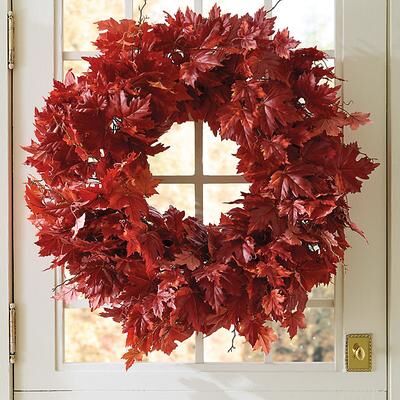
Maple Leaf Wreath - Ballard DesignsWhen the maple leaves begin to turn, you know autumn is truly here. Big and lush, our stunning Maple Leaf Wreath is hand crafted in layer upon layer of soft, fabric leaves for dazzling red fall color you'll enjoy from now until Christmas, year after...143,20 $*Shipping: 179,00 $Secure redirect to the provider



-
Which soil for Japanese maple?
Japanese maples prefer well-draining, slightly acidic soil with a pH level between 5.5 and 6.5. A good soil mix for Japanese maples would consist of a combination of organic matter such as compost or peat moss, along with a well-balanced fertilizer. It is important to avoid heavy clay soils that can lead to poor drainage and root rot. Additionally, adding mulch around the base of the tree can help retain moisture and regulate soil temperature. **
-
Which fertilizer for Japanese maple?
For Japanese maples, it is recommended to use a balanced, slow-release fertilizer specifically formulated for acid-loving plants. Look for a fertilizer with a ratio of 10-10-10 or similar, which provides a good balance of nitrogen, phosphorus, and potassium. Avoid using high-nitrogen fertilizers, as they can promote excessive leaf growth at the expense of overall tree health. It is best to fertilize Japanese maples in the early spring before new growth appears. **
-
Is the red Japanese maple sick?
Without more information or a visual inspection, it is difficult to determine if the red Japanese maple is sick. Some common signs of a sick tree include wilting leaves, discoloration, unusual growth patterns, or pest infestations. It is recommended to consult with a professional arborist or horticulturist for a proper diagnosis and treatment plan. **
-
Is the Japanese maple tree sick?
Without more information or visual inspection, it is difficult to determine if the Japanese maple tree is sick. Some common signs of a sick tree include wilting leaves, discoloration, unusual growths, or pest infestations. It is recommended to consult with a professional arborist or horticulturist to assess the health of the tree and provide appropriate treatment if necessary. **


Which potting soil for Japanese maple?
When choosing potting soil for a Japanese maple, it is important to select a well-draining mix that is slightly acidic. Look for a high-quality potting mix specifically designed for acid-loving plants such as azaleas and camellias. Avoid heavy soils that may retain too much moisture, as Japanese maples prefer soil that is moist but not waterlogged. Adding organic matter like compost or peat moss can also help improve the soil structure and provide essential nutrients for the tree. **
Is Japanese Maple tree winter-hardy?
Yes, Japanese Maple trees are generally considered winter-hardy. They are able to withstand cold temperatures and even some snowfall. However, it is important to note that the specific variety of Japanese Maple and the conditions in which it is planted can impact its winter hardiness. Providing some protection, such as mulching around the base of the tree, can help ensure its survival during harsh winter conditions. **
Top-Angebote
Products related to Japanese-Maple-Leaf-Mini:
-
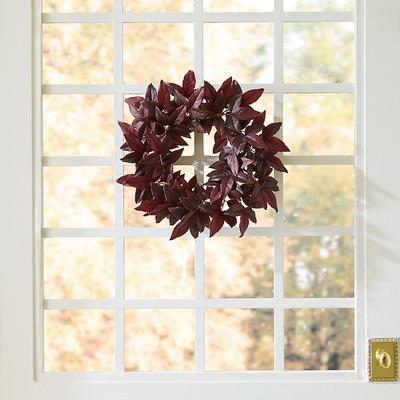
Japanese Maple Leaf Mini Wreath - Ballard DesignsRich burgundy color to welcome in the harvest season. Our Japanese Maple Leaf Mini Wreath is beautifully hand crafted with triple clusters of wonderfully realistic maple leaves. Drape this lovely fall accents over chair backs, mirrors, mantels and...31,20 $*Shipping: 179,00 $Secure redirect to the provider
-
Maple Leaf Wreath - Ballard DesignsWhen the maple leaves begin to turn, you know autumn is truly here. Big and lush, our stunning Maple Leaf Wreath is hand crafted in layer upon layer of soft, fabric leaves for dazzling red fall color you'll enjoy from now until Christmas, year after...143,20 $*Shipping: 179,00 $Secure redirect to the provider
-
Is the blue Japanese maple tree real?
Yes, the blue Japanese maple tree is real. It is a variety of Japanese maple tree called Acer palmatum 'Sango kaku' or Coral Bark Maple, known for its striking red bark. The leaves of this tree can appear blueish-green in certain lighting conditions, giving it a unique and beautiful appearance. It is a popular ornamental tree in gardens and landscapes. **
-
Can Japanese maple be propagated?
Yes, Japanese maple can be propagated through various methods such as seed propagation, cutting propagation, and grafting. Seed propagation is the most common method, but it can take several years for the tree to reach maturity. Cutting propagation involves taking a cutting from a mature tree and rooting it to grow a new plant. Grafting is another method where a cutting from a desired cultivar is attached to a rootstock to create a new plant with the desired characteristics. **
-
Which soil for Japanese maple?
Japanese maples prefer well-draining, slightly acidic soil with a pH level between 5.5 and 6.5. A good soil mix for Japanese maples would consist of a combination of organic matter such as compost or peat moss, along with a well-balanced fertilizer. It is important to avoid heavy clay soils that can lead to poor drainage and root rot. Additionally, adding mulch around the base of the tree can help retain moisture and regulate soil temperature. **
-
Which fertilizer for Japanese maple?
For Japanese maples, it is recommended to use a balanced, slow-release fertilizer specifically formulated for acid-loving plants. Look for a fertilizer with a ratio of 10-10-10 or similar, which provides a good balance of nitrogen, phosphorus, and potassium. Avoid using high-nitrogen fertilizers, as they can promote excessive leaf growth at the expense of overall tree health. It is best to fertilize Japanese maples in the early spring before new growth appears. **
Similar search terms for Japanese-Maple-Leaf-Mini
-
Is the red Japanese maple sick?
Without more information or a visual inspection, it is difficult to determine if the red Japanese maple is sick. Some common signs of a sick tree include wilting leaves, discoloration, unusual growth patterns, or pest infestations. It is recommended to consult with a professional arborist or horticulturist for a proper diagnosis and treatment plan. **
-
Is the Japanese maple tree sick?
Without more information or visual inspection, it is difficult to determine if the Japanese maple tree is sick. Some common signs of a sick tree include wilting leaves, discoloration, unusual growths, or pest infestations. It is recommended to consult with a professional arborist or horticulturist to assess the health of the tree and provide appropriate treatment if necessary. **
-
Which potting soil for Japanese maple?
When choosing potting soil for a Japanese maple, it is important to select a well-draining mix that is slightly acidic. Look for a high-quality potting mix specifically designed for acid-loving plants such as azaleas and camellias. Avoid heavy soils that may retain too much moisture, as Japanese maples prefer soil that is moist but not waterlogged. Adding organic matter like compost or peat moss can also help improve the soil structure and provide essential nutrients for the tree. **
-
Is Japanese Maple tree winter-hardy?
Yes, Japanese Maple trees are generally considered winter-hardy. They are able to withstand cold temperatures and even some snowfall. However, it is important to note that the specific variety of Japanese Maple and the conditions in which it is planted can impact its winter hardiness. Providing some protection, such as mulching around the base of the tree, can help ensure its survival during harsh winter conditions. **
* All prices are inclusive of VAT and, if applicable, plus shipping costs. The offer information is based on the details provided by the respective shop and is updated through automated processes. Real-time updates do not occur, so deviations can occur in individual cases. ** Note: Parts of this content were created by AI.