Buy truewords.eu ?
We are moving the project
truewords.eu .
Are you interested in purchasing the domain
truewords.eu ?
domain@kv-gmbh.de · 0541-91531010
Buy truewords.eu ?
How does malware work?
Malware works by infiltrating a computer system or network through various means, such as malicious email attachments, infected websites, or software vulnerabilities. Once inside, malware can execute a range of harmful activities, such as stealing sensitive information, disrupting system operations, or even taking control of the infected device. Malware can also replicate itself and spread to other devices on the network, causing widespread damage. To protect against malware, it is important to have up-to-date security software and practice safe browsing habits. **
Is this a malware URL?
I'm sorry, but I cannot browse the internet or access external content to determine if a URL is a malware site. It is important to be cautious when clicking on unfamiliar links and to use reputable antivirus software to protect against malware. If you suspect a URL may be malicious, it is best to avoid clicking on it and to report it to the appropriate authorities. **

Similar search terms for Malware
Top-Angebote
Products related to Malware:
-
Sincere Surroundings Weatherproof Porch Boards Hide PackagesA witty welcome for the home where packages are a closely guarded secret, this porch board is designed to greet every delivery driver and guest at the front door with humor and charm.42,99 $*Shipping: 0,00 $Secure redirect to the provider

-
What data does malware steal?
Malware can steal a wide range of data from infected devices, including personal information such as usernames, passwords, credit card numbers, and social security numbers. It can also steal sensitive business data such as intellectual property, financial records, and customer information. Additionally, malware can capture keystrokes, take screenshots, and access files stored on the infected device. The stolen data can then be used for various malicious purposes, such as identity theft, financial fraud, or corporate espionage. **
-
"Did I accidentally download malware?"
If you suspect that you may have accidentally downloaded malware, it's important to take immediate action to protect your device and personal information. Look for signs such as sudden slowdowns, pop-up ads, or unusual behavior from your device. Run a reputable antivirus or anti-malware scan to check for any potential threats, and consider resetting your device to a previous backup if you suspect that malware may have been installed. Additionally, be cautious of any suspicious downloads or websites in the future to prevent similar incidents. **
-
What is Google's malware warning?
Google's malware warning is a security feature that alerts users when they are attempting to visit a website that may contain harmful software or malicious content. This warning helps protect users from potential threats such as viruses, phishing scams, and other forms of malware. When a user receives this warning, they are advised to proceed with caution or avoid visiting the website altogether to prevent their device from being compromised. **
-
Do WhatsApp images contain malware?
WhatsApp images themselves do not contain malware. However, it is possible for malware to be disguised as an image file and sent through WhatsApp. Users should be cautious when receiving images from unknown or untrusted sources, as clicking on a malicious image could potentially download and install malware onto their device. It is important to have up-to-date antivirus software and to be cautious of unexpected or suspicious messages and attachments. **
Does this link have malware?
I'm sorry, but as an AI language model, I cannot access or analyze external links to determine if they contain malware. It's important to use caution when clicking on unfamiliar links and to have up-to-date antivirus software to protect against potential malware threats. If you suspect a link may contain malware, it's best to avoid clicking on it and to report it to the appropriate authorities or website administrators. **
Who uses types of malware?
Types of malware can be used by a variety of actors, including cybercriminals, hackers, and state-sponsored entities. Cybercriminals may use malware to steal sensitive information, such as financial data or personal information, for financial gain. Hackers may use malware to gain unauthorized access to systems or to disrupt operations. State-sponsored entities may use malware for espionage, sabotage, or to gain a strategic advantage in cyberspace. Additionally, individuals with malicious intent may also use malware for personal reasons, such as revenge or to cause harm. **
Top-Angebote
Products related to Malware:
-
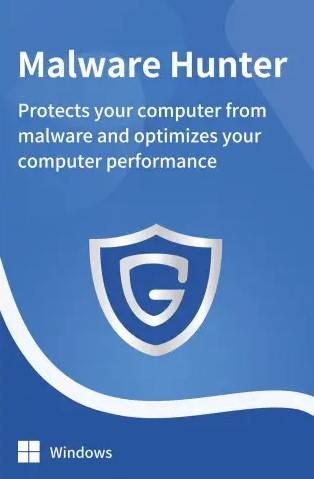
Glary Malware Hunter Pro License Key GLOBALfeatures of Glary Malware Hunter Pro: Malware Detection and Removal: Glary Malware Hunter Pro uses multiple scanning engines to detect and remove a wide variety of malware threats, including viruses, worms, Trojans, spyware, and ransomware. It also includes a real-time protection feature that monitors your system for suspicious activity and automatically blocks threats. System Optimization: Glary Malware Hunter Pro includes a number of tools that can help you optimize your system performance, including a disk cleaner, a registry cleaner, and a startup manager. These tools can help you free up disk space, improve system stability, and speed up your computer. Browser Security: Glary Malware Hunter Pro includes a browser security feature that can help you protect yourself from online threats, such as malicious websites and phishing attacks. This feature can block malicious websites, protect your personal information, and prevent you from downloading harmful files. Automatic Updates: Glary Malware Hunter Pro automatically updates its virus definitions and other security features to ensure that you are always protected against the latest threats. User-Friendly Interface: Glary Malware Hunter Pro has a user-friendly interface that is easy to navigate, even for users with no prior experience with security software. Overall, Glary Malware Hunter Pro is a good option for users who are looking for a comprehensive security solution that can protect them from a wide variety of threats. However, it is important to note that it is not as feature-rich as some other security products on the market, and it may not be the best option for users who need the most advanced protection. Here are some additional things to consider before purchasing Glary Malware Hunter Pro: Price: Glary Malware Hunter Pro is a paid product, but it offers a free trial so you can try it before you buy it. System Requirements: Glary Malware Hunter Pro requires Windows 10, 8.1, 8, 7, Vista, or XP to run. Customer Support: Glary Malware Hunter Pro offers customer support via email and live chat.3,30 £*Shipping: 0,00 £Secure redirect to the provider
-
Belfry Kitchen Sincere 37 Utensil Set GoldDurable And Stylish Design: This cookware set is designed for functionality. The kitchen utensils are designed with high-grade stainless steel and plated with titanium gold, showing the noble luxury. It will elevate your kitchen decor. Healthy Materials: This cookware set is made of high-quality stainless steel, lead-free, PBA free, and suitable for everyday cooking. Best Kitchen Tools: A wide range of accessories to perfectly solve your culinary needs. It can be used not only at home but also in hotels, restaurants and other places. Quality materials and fine workmanship also make the perfect gift. Dishwasher Safe: The kitchen utensil set is made of high-quality stainless steel, which is durable and rust-resistant. Wipe clean and keep dry after use, use a soft cloth to clean and wash, do not use hard materials to wash and rub the utensils that keep it always shiny. It can last for years. Belfry Kitchen76,99 £*Shipping: 0,00 £Secure redirect to the provider
-
Sincere Surroundings Weatherproof Porch Boards Hide PackagesA witty welcome for the home where packages are a closely guarded secret, this porch board is designed to greet every delivery driver and guest at the front door with humor and charm.42,99 $*Shipping: 0,00 $Secure redirect to the provider
-
How does malware work?
Malware works by infiltrating a computer system or network through various means, such as malicious email attachments, infected websites, or software vulnerabilities. Once inside, malware can execute a range of harmful activities, such as stealing sensitive information, disrupting system operations, or even taking control of the infected device. Malware can also replicate itself and spread to other devices on the network, causing widespread damage. To protect against malware, it is important to have up-to-date security software and practice safe browsing habits. **
-
Is this a malware URL?
I'm sorry, but I cannot browse the internet or access external content to determine if a URL is a malware site. It is important to be cautious when clicking on unfamiliar links and to use reputable antivirus software to protect against malware. If you suspect a URL may be malicious, it is best to avoid clicking on it and to report it to the appropriate authorities. **
-
What data does malware steal?
Malware can steal a wide range of data from infected devices, including personal information such as usernames, passwords, credit card numbers, and social security numbers. It can also steal sensitive business data such as intellectual property, financial records, and customer information. Additionally, malware can capture keystrokes, take screenshots, and access files stored on the infected device. The stolen data can then be used for various malicious purposes, such as identity theft, financial fraud, or corporate espionage. **
-
"Did I accidentally download malware?"
If you suspect that you may have accidentally downloaded malware, it's important to take immediate action to protect your device and personal information. Look for signs such as sudden slowdowns, pop-up ads, or unusual behavior from your device. Run a reputable antivirus or anti-malware scan to check for any potential threats, and consider resetting your device to a previous backup if you suspect that malware may have been installed. Additionally, be cautious of any suspicious downloads or websites in the future to prevent similar incidents. **
Similar search terms for Malware
-
What is Google's malware warning?
Google's malware warning is a security feature that alerts users when they are attempting to visit a website that may contain harmful software or malicious content. This warning helps protect users from potential threats such as viruses, phishing scams, and other forms of malware. When a user receives this warning, they are advised to proceed with caution or avoid visiting the website altogether to prevent their device from being compromised. **
-
Do WhatsApp images contain malware?
WhatsApp images themselves do not contain malware. However, it is possible for malware to be disguised as an image file and sent through WhatsApp. Users should be cautious when receiving images from unknown or untrusted sources, as clicking on a malicious image could potentially download and install malware onto their device. It is important to have up-to-date antivirus software and to be cautious of unexpected or suspicious messages and attachments. **
-
Does this link have malware?
I'm sorry, but as an AI language model, I cannot access or analyze external links to determine if they contain malware. It's important to use caution when clicking on unfamiliar links and to have up-to-date antivirus software to protect against potential malware threats. If you suspect a link may contain malware, it's best to avoid clicking on it and to report it to the appropriate authorities or website administrators. **
-
Who uses types of malware?
Types of malware can be used by a variety of actors, including cybercriminals, hackers, and state-sponsored entities. Cybercriminals may use malware to steal sensitive information, such as financial data or personal information, for financial gain. Hackers may use malware to gain unauthorized access to systems or to disrupt operations. State-sponsored entities may use malware for espionage, sabotage, or to gain a strategic advantage in cyberspace. Additionally, individuals with malicious intent may also use malware for personal reasons, such as revenge or to cause harm. **
* All prices are inclusive of VAT and, if applicable, plus shipping costs. The offer information is based on the details provided by the respective shop and is updated through automated processes. Real-time updates do not occur, so deviations can occur in individual cases. ** Note: Parts of this content were created by AI.