Buy truewords.eu ?
We are moving the project
truewords.eu .
Are you interested in purchasing the domain
truewords.eu ?
domain@kv-gmbh.de · 0541-91531010
Buy truewords.eu ?
Is it competitive or non-competitive inhibition?
It is non-competitive inhibition. This is because the inhibitor binds to an allosteric site on the enzyme, which is different from the active site where the substrate binds. This type of inhibition does not compete with the substrate for binding to the enzyme, hence the name non-competitive inhibition. **
Non-competitive inhibition, right?
Non-competitive inhibition is a type of enzyme inhibition where the inhibitor binds to a site on the enzyme that is not the active site. This binding causes a conformational change in the enzyme, making it less effective at catalyzing the reaction. Non-competitive inhibitors do not compete with the substrate for binding to the enzyme. Instead, they can bind to the enzyme-substrate complex or to a separate allosteric site on the enzyme. **

Similar search terms for Non-competitive
Top-Angebote
Products related to Non-competitive:
-
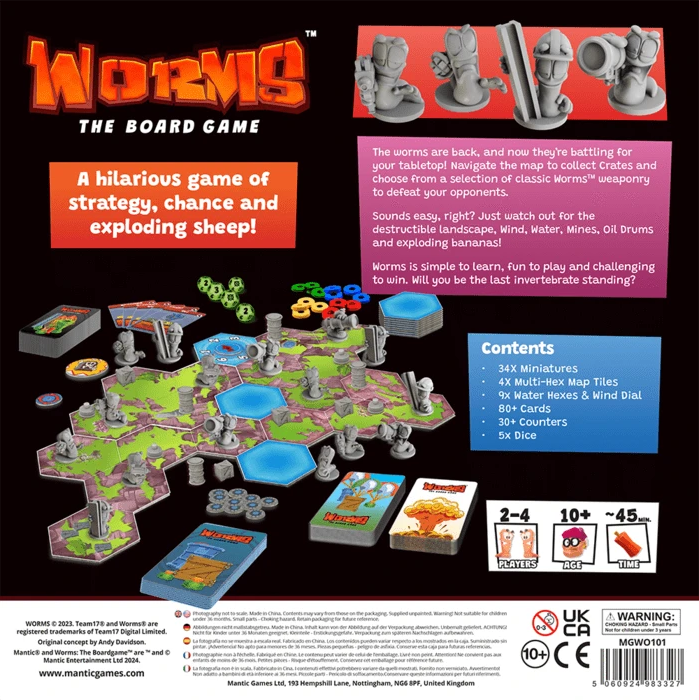
Worms: The Board Game - Competitive Strategy Game, Ages 8+, by Mantic GamesBring the chaotic tactics and humour of the Worms video game series to the tabletop with Worms: The Board Game. Players command teams of Worms across a hex-based battlefield, gathering crates, avoiding mines, and choosing the right weapons to outmanoeuvre their opponents. Plan your movements carefully, use the terrain to your advantage, and try to keep your team in action while reducing the opposing forces. The combination of tactical decisions, luck, and explosive surprises creates an entertaining experience for family game nights and groups of friends. This game is designed for competitive tabletop play and is a great addition to any collection of board games.39,29 £*Shipping: 1,99 £Secure redirect to the provider
-
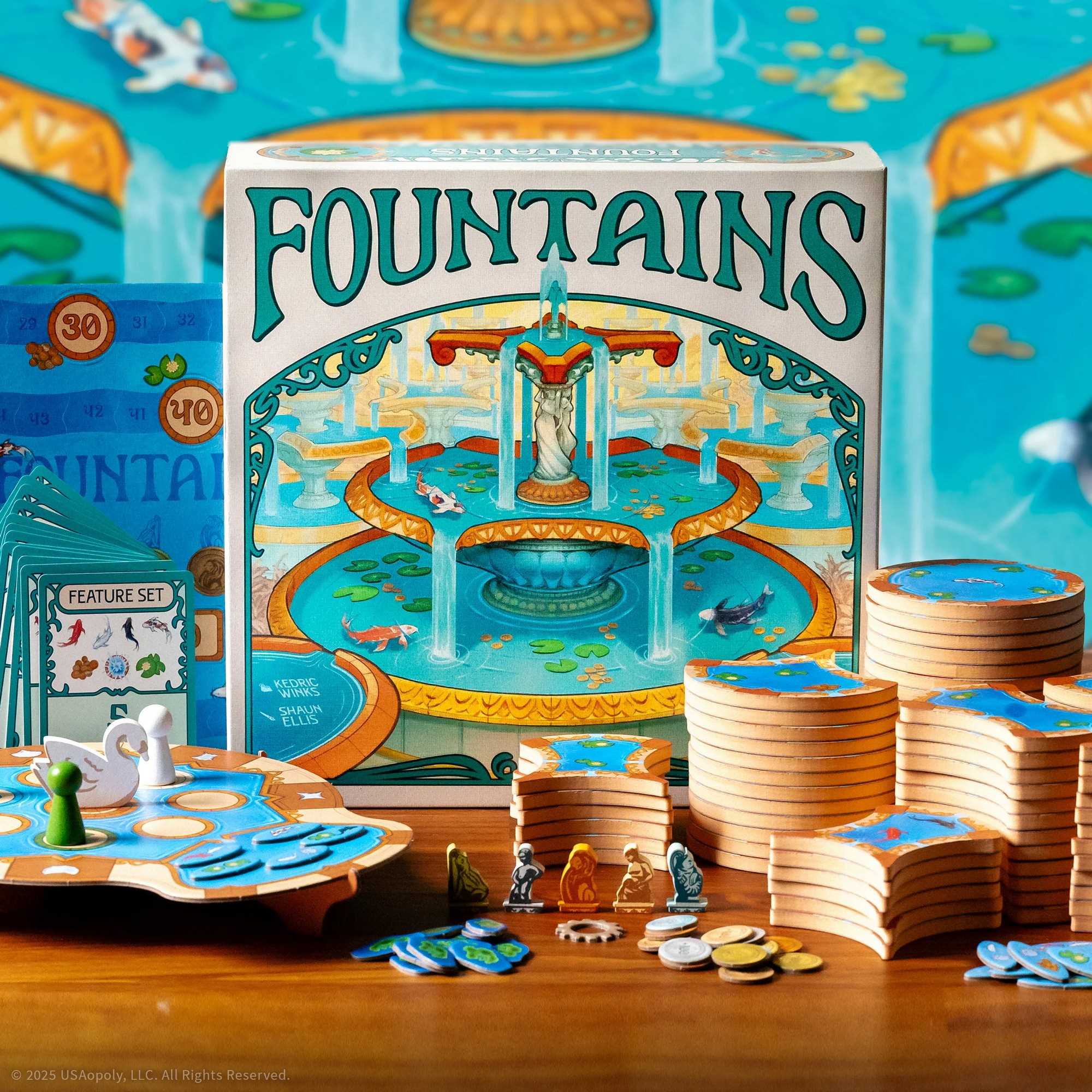
Fountains Competitive Tile-Laying Strategy Game for Multiple Players by USA-OPOLYBuild a spectacular fountain in the city of Florimelle with Fountains, a competitive tile-laying strategy game from USA-OPOLY. Players take on the role of master Fountaineers, developing their own fountain while carefully choosing tiles that can also benefit their opponents. Each decision contributes to the evolving design of the city's fountains. Plan your layout, manage opportunities, and look for ways to create an impressive final construction. The accessible tile-laying format makes the game approachable, while the competitive choices provide meaningful tactical depth from one play to the next. Suitable for tabletop game sessions with family and friends.33,06 £*Shipping: 1,99 £Secure redirect to the provider
-
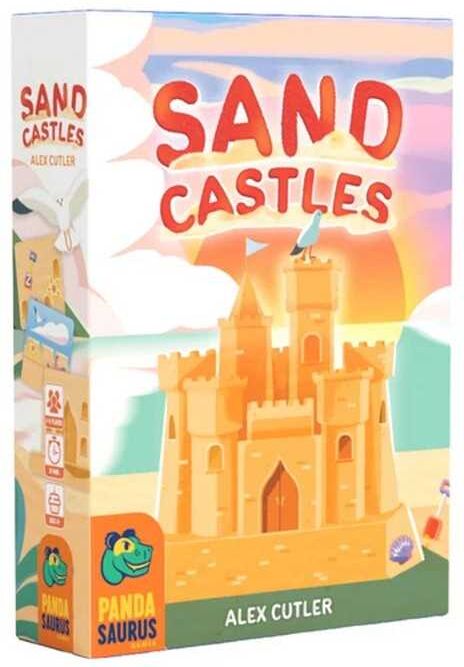
Sandcastles Competitive Family Board Game by Pandasaurus, Ages 8+, Beachside Fortress BuildingBuild your ultimate sandcastle with Sandcastles, a competitive family board game. Players develop their castles by collecting and arranging colourful components, including sandy towers, rows of windows, starfish, buckets, shells, and shovels. Each addition helps your creation take shape, while bird-filled sky tiles complete the scene above your castle. Plan your choices carefully as you build, balancing the pieces you need with the opportunities available to your opponents. Sandcastles offers a fun combination of planning and creativity for players who enjoy colourful modern tabletop games.15,73 £*Shipping: 3,95 £Secure redirect to the provider
-
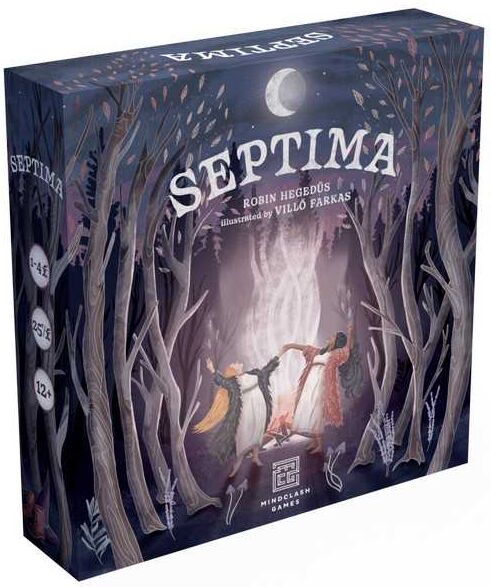
Septima Competitive Strategy Board Game by Mindclash Games, for 1-4 PlayersSeptima is a competitive strategy board game set in a superstitious town where rival covens compete to succeed Septima, the High Witch. Players lead a coven of witches through four seasons, each made up of five rounds. During the game, you can gather ingredients, brew potions, perform rituals, heal afflicted townspeople, and work covertly to influence the town's opinion. Septima combines strategic planning with direct player interaction. Build and develop your coven, manage your available resources, and decide when to take actions that increase wisdom while improving acceptance among the townspeople. The winner is the player who earns the most wisdom and proves their coven worthy of becoming Septima's successor. This substantial boxed tabletop product is designed for strategic game sessions.55,32 £*Shipping: 0,00 £Secure redirect to the provider
-
What is the difference between competitive and non-competitive inhibition?
Competitive inhibition occurs when a molecule competes with the substrate for the active site of the enzyme, thus reducing the enzyme's ability to bind with the substrate. Non-competitive inhibition, on the other hand, occurs when a molecule binds to a site on the enzyme other than the active site, causing a conformational change in the enzyme that reduces its activity. In competitive inhibition, increasing the substrate concentration can overcome the inhibition, while in non-competitive inhibition, increasing the substrate concentration does not alleviate the inhibition. **
-
Is non-competitive inhibition irreversible or reversible?
Non-competitive inhibition is a type of enzyme inhibition that is reversible. In non-competitive inhibition, the inhibitor binds to the enzyme at a site other than the active site, causing a conformational change in the enzyme that reduces its activity. This type of inhibition can be overcome by increasing the substrate concentration, as it does not involve permanent alteration of the enzyme. **
-
What is an example of non-competitive inhibition?
An example of non-competitive inhibition is the binding of an allosteric inhibitor to an enzyme at a site other than the active site. This binding causes a conformational change in the enzyme, which reduces its activity and prevents the substrate from binding to the active site. This type of inhibition does not compete with the substrate for binding to the active site, hence the term "non-competitive." An example of this is the binding of ATP to the enzyme phosphofructokinase in glycolysis, which inhibits its activity. **
-
Can you give me an example of competitive and non-competitive inhibition in biology?
Sure! In competitive inhibition, a molecule similar in structure to the substrate competes with the substrate for the active site of the enzyme. This prevents the substrate from binding to the enzyme and carrying out its normal function. An example of this is the drug statins, which competitively inhibit the enzyme HMG-CoA reductase, involved in cholesterol synthesis. In non-competitive inhibition, a molecule binds to the enzyme at a location other than the active site, causing a conformational change in the enzyme that reduces its activity. An example of this is the poison cyanide, which non-competitively inhibits the enzyme cytochrome c oxidase in the electron transport chain, disrupting cellular respiration. **


Is allosteric inhibition the same as non-competitive inhibition?
Allosteric inhibition and non-competitive inhibition are not the same, although they are related. Non-competitive inhibition refers to the binding of an inhibitor to a site on the enzyme that is not the active site, thereby preventing the substrate from binding to the active site. Allosteric inhibition, on the other hand, occurs when an inhibitor binds to a site on the enzyme that is distinct from the active site, causing a conformational change in the enzyme that reduces its activity. While both types of inhibition involve the binding of an inhibitor to a site other than the active site, allosteric inhibition specifically involves a change in the enzyme's shape and activity. **
What is the difference between non-competitive and allosteric inhibition?
Non-competitive inhibition occurs when an inhibitor binds to an enzyme at a site other than the active site, causing a conformational change that prevents the substrate from binding. This type of inhibition is not affected by the concentration of the substrate. On the other hand, allosteric inhibition occurs when an inhibitor binds to an allosteric site on the enzyme, causing a conformational change that reduces the enzyme's activity. Allosteric inhibition is often reversible and can be overcome by increasing the concentration of the substrate. **
Top-Angebote
Products related to Non-competitive:
-
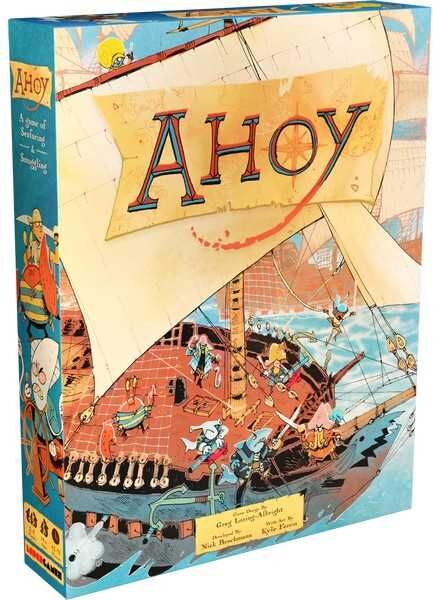
Ahoy Competitive Strategy Game by Leder Games for 1-4 PlayersAhoy is a competitive strategy game for aspiring swashbucklers and soldiers. Players lead distinct factions, each with its own abilities and approach to exploration, trade, and control. During each round, roll and place dice to select actions for your faction. Expand your influence across regions, deliver valuable cargo, and build your reputation as you compete for fame. The player with the most fame at the end wins. With asymmetric factions and changing action choices, Ahoy offers a strategic high-seas contest for players who enjoy tactical decisions, area control, and resource delivery.34,49 £*Shipping: 1,99 £Secure redirect to the provider
-
Viticulture: Essential Edition by Stonemaier Games - Strategic Board Game for Competitive PlayBuild a Tuscan wine-making empire in Viticulture: Essential Edition, a strategic board game where you take on the role of a vineyard owner in rustic, pre-modern Tuscany. Develop your estate, plant vines, harvest grapes, and turn them into wine while competing to fulfill valuable orders. This game challenges you to plan across the seasons, carefully assigning workers and specialists to improve your vineyard and balance immediate opportunities with longer-term growth. Each decision can influence the efficiency and prosperity of your winery. The Essential Edition includes refined cards and rules for an updated playing experience, offering a rich tabletop experience for players who enjoy planning, resource management, and strategic decision-making.46,48 £*Shipping: 1,99 £Secure redirect to the provider
-
Worms: The Board Game - Competitive Strategy Game, Ages 8+, by Mantic GamesBring the chaotic tactics and humour of the Worms video game series to the tabletop with Worms: The Board Game. Players command teams of Worms across a hex-based battlefield, gathering crates, avoiding mines, and choosing the right weapons to outmanoeuvre their opponents. Plan your movements carefully, use the terrain to your advantage, and try to keep your team in action while reducing the opposing forces. The combination of tactical decisions, luck, and explosive surprises creates an entertaining experience for family game nights and groups of friends. This game is designed for competitive tabletop play and is a great addition to any collection of board games.39,29 £*Shipping: 1,99 £Secure redirect to the provider
-
Fountains Competitive Tile-Laying Strategy Game for Multiple Players by USA-OPOLYBuild a spectacular fountain in the city of Florimelle with Fountains, a competitive tile-laying strategy game from USA-OPOLY. Players take on the role of master Fountaineers, developing their own fountain while carefully choosing tiles that can also benefit their opponents. Each decision contributes to the evolving design of the city's fountains. Plan your layout, manage opportunities, and look for ways to create an impressive final construction. The accessible tile-laying format makes the game approachable, while the competitive choices provide meaningful tactical depth from one play to the next. Suitable for tabletop game sessions with family and friends.33,06 £*Shipping: 1,99 £Secure redirect to the provider
-
Is it competitive or non-competitive inhibition?
It is non-competitive inhibition. This is because the inhibitor binds to an allosteric site on the enzyme, which is different from the active site where the substrate binds. This type of inhibition does not compete with the substrate for binding to the enzyme, hence the name non-competitive inhibition. **
-
Non-competitive inhibition, right?
Non-competitive inhibition is a type of enzyme inhibition where the inhibitor binds to a site on the enzyme that is not the active site. This binding causes a conformational change in the enzyme, making it less effective at catalyzing the reaction. Non-competitive inhibitors do not compete with the substrate for binding to the enzyme. Instead, they can bind to the enzyme-substrate complex or to a separate allosteric site on the enzyme. **
-
What is the difference between competitive and non-competitive inhibition?
Competitive inhibition occurs when a molecule competes with the substrate for the active site of the enzyme, thus reducing the enzyme's ability to bind with the substrate. Non-competitive inhibition, on the other hand, occurs when a molecule binds to a site on the enzyme other than the active site, causing a conformational change in the enzyme that reduces its activity. In competitive inhibition, increasing the substrate concentration can overcome the inhibition, while in non-competitive inhibition, increasing the substrate concentration does not alleviate the inhibition. **
-
Is non-competitive inhibition irreversible or reversible?
Non-competitive inhibition is a type of enzyme inhibition that is reversible. In non-competitive inhibition, the inhibitor binds to the enzyme at a site other than the active site, causing a conformational change in the enzyme that reduces its activity. This type of inhibition can be overcome by increasing the substrate concentration, as it does not involve permanent alteration of the enzyme. **
Similar search terms for Non-competitive
-
Sandcastles Competitive Family Board Game by Pandasaurus, Ages 8+, Beachside Fortress BuildingBuild your ultimate sandcastle with Sandcastles, a competitive family board game. Players develop their castles by collecting and arranging colourful components, including sandy towers, rows of windows, starfish, buckets, shells, and shovels. Each addition helps your creation take shape, while bird-filled sky tiles complete the scene above your castle. Plan your choices carefully as you build, balancing the pieces you need with the opportunities available to your opponents. Sandcastles offers a fun combination of planning and creativity for players who enjoy colourful modern tabletop games.15,73 £*Shipping: 3,95 £Secure redirect to the provider
-
Septima Competitive Strategy Board Game by Mindclash Games, for 1-4 PlayersSeptima is a competitive strategy board game set in a superstitious town where rival covens compete to succeed Septima, the High Witch. Players lead a coven of witches through four seasons, each made up of five rounds. During the game, you can gather ingredients, brew potions, perform rituals, heal afflicted townspeople, and work covertly to influence the town's opinion. Septima combines strategic planning with direct player interaction. Build and develop your coven, manage your available resources, and decide when to take actions that increase wisdom while improving acceptance among the townspeople. The winner is the player who earns the most wisdom and proves their coven worthy of becoming Septima's successor. This substantial boxed tabletop product is designed for strategic game sessions.55,32 £*Shipping: 0,00 £Secure redirect to the provider
-
Direwolf Clank! In! Space! Standalone Deck-Building Board Game for Competitive Tabletop PlayExplore the dark flagship of Lord Eradikus in Clank! In! Space!, a standalone deck-building adventure set in a science-fiction universe. Players build and customise their own decks as they explore the ship, collect valuable artefacts and attempt to escape before the alarm is raised. Every card added to a deck can create new opportunities, but noisy actions may attract unwanted attention and increase the danger. This game combines tactical card play, exploration and risk management, making each journey through the ship different. Players must decide how far to venture in search of valuable rewards while balancing their route, deck and rising danger. Designed for competitive tabletop play, Clank! In! Space! is a thrilling adventure for fans of science fiction and strategy.48,66 £*Shipping: 1,99 £Secure redirect to the provider
-
9 Lives Card Game - Competitive Family Card Game, Ages 8+, by Exploding KittensGet ready to test your card-counting skills in 9 Lives, a fast-paced game of calculated risks and sudden reversals. Players take turns adding numbered cards to the pile while trying to keep the total from reaching 9. As the count gets closer to the limit, special action cards can change the situation and force another player to bust. Successful players collect cards for their score pile, but every move requires careful timing and a willingness to take a chance. This competitive card game is perfect for family and friends, and its compact boxed format makes it easy to store and play. When the game ends, the player with the most points wins.13,42 £*Shipping: 3,95 £Secure redirect to the provider
-
What is an example of non-competitive inhibition?
An example of non-competitive inhibition is the binding of an allosteric inhibitor to an enzyme at a site other than the active site. This binding causes a conformational change in the enzyme, which reduces its activity and prevents the substrate from binding to the active site. This type of inhibition does not compete with the substrate for binding to the active site, hence the term "non-competitive." An example of this is the binding of ATP to the enzyme phosphofructokinase in glycolysis, which inhibits its activity. **
-
Can you give me an example of competitive and non-competitive inhibition in biology?
Sure! In competitive inhibition, a molecule similar in structure to the substrate competes with the substrate for the active site of the enzyme. This prevents the substrate from binding to the enzyme and carrying out its normal function. An example of this is the drug statins, which competitively inhibit the enzyme HMG-CoA reductase, involved in cholesterol synthesis. In non-competitive inhibition, a molecule binds to the enzyme at a location other than the active site, causing a conformational change in the enzyme that reduces its activity. An example of this is the poison cyanide, which non-competitively inhibits the enzyme cytochrome c oxidase in the electron transport chain, disrupting cellular respiration. **
-
Is allosteric inhibition the same as non-competitive inhibition?
Allosteric inhibition and non-competitive inhibition are not the same, although they are related. Non-competitive inhibition refers to the binding of an inhibitor to a site on the enzyme that is not the active site, thereby preventing the substrate from binding to the active site. Allosteric inhibition, on the other hand, occurs when an inhibitor binds to a site on the enzyme that is distinct from the active site, causing a conformational change in the enzyme that reduces its activity. While both types of inhibition involve the binding of an inhibitor to a site other than the active site, allosteric inhibition specifically involves a change in the enzyme's shape and activity. **
-
What is the difference between non-competitive and allosteric inhibition?
Non-competitive inhibition occurs when an inhibitor binds to an enzyme at a site other than the active site, causing a conformational change that prevents the substrate from binding. This type of inhibition is not affected by the concentration of the substrate. On the other hand, allosteric inhibition occurs when an inhibitor binds to an allosteric site on the enzyme, causing a conformational change that reduces the enzyme's activity. Allosteric inhibition is often reversible and can be overcome by increasing the concentration of the substrate. **
* All prices are inclusive of VAT and, if applicable, plus shipping costs. The offer information is based on the details provided by the respective shop and is updated through automated processes. Real-time updates do not occur, so deviations can occur in individual cases. ** Note: Parts of this content were created by AI.