Buy truewords.eu ?
We are moving the project
truewords.eu .
Are you interested in purchasing the domain
truewords.eu ?
domain@kv-gmbh.de · 0541-91531010
Buy truewords.eu ?
Is this a real Chinese vase?
Without seeing the vase in question, it is difficult to determine if it is a real Chinese vase. However, there are certain characteristics to look for in determining the authenticity of a Chinese vase, such as the type of clay used, the style and technique of the painting, and the presence of certain markings or seals. It is best to consult with a reputable expert or appraiser in Chinese ceramics to authenticate the vase. **
Which encryption cipher is this?
This encryption cipher is the Caesar cipher. It is a type of substitution cipher in which each letter in the plaintext is shifted a certain number of places down or up the alphabet. It is named after Julius Caesar, who is said to have used this cipher to communicate with his generals. The Caesar cipher is a simple and easily breakable encryption method, as there are only 25 possible keys to try. **


Similar search terms for Renwil-Cipher-Indoor-Vase
Top-Angebote
Products related to Renwil-Cipher-Indoor-Vase:
-
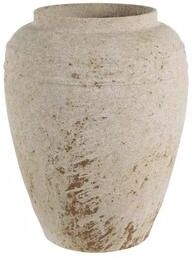
Renwil Severn Indoor VaseInject enduring charm into any interior with this artfully crafted decorative vase. Made of terracotta using a hand-thrown look, its textured antique beige finish will make it a must-have for many decorating schemes.152,00 $*Shipping: 0,00 $Secure redirect to the provider


-
How does a cipher work?
A cipher is a method of encoding a message to make it unreadable to anyone who does not have the key to decode it. It works by substituting or rearranging the letters in the original message according to a specific algorithm or key. The recipient of the encoded message can then use the key to reverse the process and decode the message back to its original form. Ciphers have been used throughout history to protect sensitive information and are still used today in various forms of cryptography. **
-
Is the Chinese vase real or fake?
Without physically examining the vase, it is impossible to definitively determine if it is real or fake. However, some factors that could help determine its authenticity include its age, material, craftsmanship, and any accompanying documentation or provenance. Consulting with a reputable appraiser or expert in Chinese ceramics may provide more insight into the vase's authenticity. **
-
How does the cipher number work?
The cipher number works by shifting each letter in the alphabet a certain number of spaces. For example, if the cipher number is 3, then A becomes D, B becomes E, and so on. This creates a new alphabet where each letter is shifted by the specified number. When encrypting a message, each letter is replaced with its corresponding shifted letter, and when decrypting a message, the process is reversed to reveal the original message. **
-
What does a real Chinese vase look like?
A real Chinese vase is typically made of high-quality porcelain or ceramic and is often hand-painted with intricate designs and patterns. It may feature traditional Chinese motifs such as dragons, phoenixes, flowers, or landscapes. The vase may also have a smooth, glossy finish and a delicate, refined shape. Additionally, a real Chinese vase may bear a mark or inscription on the bottom indicating its origin and maker. **
'Vase or glass?'
It depends on the context and purpose. A vase is typically used for holding flowers or decorative branches, while a glass is used for drinking liquids. If the question is about which one to use for a specific purpose, then the answer would depend on whether the intention is to display flowers or to serve a beverage. Both have their own unique functions and can be chosen based on the specific need at hand. **
Who made this vase?
This vase was made by an ancient Greek potter and artist. It is an example of Greek pottery from the 5th century BC, known for its intricate designs and skilled craftsmanship. The artist's name is not known, as pottery from this time period was typically not signed or attributed to specific individuals. However, it is likely that the vase was made in a workshop where multiple artists and potters collaborated on creating such pieces. **
Top-Angebote
Products related to Renwil-Cipher-Indoor-Vase:
-
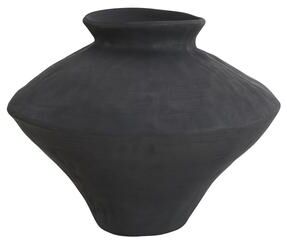
Renwil Cipher Indoor VaseSure to be an attention grabber, this decorative ceramic vase is perfectly proportioned for displaying as a focal point in any modern interior. Crafted with an organic shape for a hand-thrown look, it holds a casual presence anywhere it sits.207,00 $*Shipping: 0,00 $Secure redirect to the provider
-
Renwil Severn Indoor VaseInject enduring charm into any interior with this artfully crafted decorative vase. Made of terracotta using a hand-thrown look, its textured antique beige finish will make it a must-have for many decorating schemes.152,00 $*Shipping: 0,00 $Secure redirect to the provider
-
Is this a real Chinese vase?
Without seeing the vase in question, it is difficult to determine if it is a real Chinese vase. However, there are certain characteristics to look for in determining the authenticity of a Chinese vase, such as the type of clay used, the style and technique of the painting, and the presence of certain markings or seals. It is best to consult with a reputable expert or appraiser in Chinese ceramics to authenticate the vase. **
-
Which encryption cipher is this?
This encryption cipher is the Caesar cipher. It is a type of substitution cipher in which each letter in the plaintext is shifted a certain number of places down or up the alphabet. It is named after Julius Caesar, who is said to have used this cipher to communicate with his generals. The Caesar cipher is a simple and easily breakable encryption method, as there are only 25 possible keys to try. **
-
How does a cipher work?
A cipher is a method of encoding a message to make it unreadable to anyone who does not have the key to decode it. It works by substituting or rearranging the letters in the original message according to a specific algorithm or key. The recipient of the encoded message can then use the key to reverse the process and decode the message back to its original form. Ciphers have been used throughout history to protect sensitive information and are still used today in various forms of cryptography. **
-
Is the Chinese vase real or fake?
Without physically examining the vase, it is impossible to definitively determine if it is real or fake. However, some factors that could help determine its authenticity include its age, material, craftsmanship, and any accompanying documentation or provenance. Consulting with a reputable appraiser or expert in Chinese ceramics may provide more insight into the vase's authenticity. **
Similar search terms for Renwil-Cipher-Indoor-Vase
-
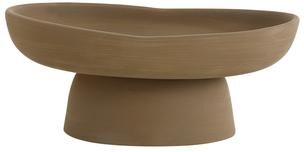
Renwil Malbo Indoor Ceramic VaseElevate any interior with the sleek lines and smooth finish of the Malabo bowl. Crafted from high-quality porcelain ceramic with a textured matte brown glaze, it's poised to grace any surface with elegant style.119,00 $*Shipping: 0,00 $Secure redirect to the provider
-
How does the cipher number work?
The cipher number works by shifting each letter in the alphabet a certain number of spaces. For example, if the cipher number is 3, then A becomes D, B becomes E, and so on. This creates a new alphabet where each letter is shifted by the specified number. When encrypting a message, each letter is replaced with its corresponding shifted letter, and when decrypting a message, the process is reversed to reveal the original message. **
-
What does a real Chinese vase look like?
A real Chinese vase is typically made of high-quality porcelain or ceramic and is often hand-painted with intricate designs and patterns. It may feature traditional Chinese motifs such as dragons, phoenixes, flowers, or landscapes. The vase may also have a smooth, glossy finish and a delicate, refined shape. Additionally, a real Chinese vase may bear a mark or inscription on the bottom indicating its origin and maker. **
-
'Vase or glass?'
It depends on the context and purpose. A vase is typically used for holding flowers or decorative branches, while a glass is used for drinking liquids. If the question is about which one to use for a specific purpose, then the answer would depend on whether the intention is to display flowers or to serve a beverage. Both have their own unique functions and can be chosen based on the specific need at hand. **
-
Who made this vase?
This vase was made by an ancient Greek potter and artist. It is an example of Greek pottery from the 5th century BC, known for its intricate designs and skilled craftsmanship. The artist's name is not known, as pottery from this time period was typically not signed or attributed to specific individuals. However, it is likely that the vase was made in a workshop where multiple artists and potters collaborated on creating such pieces. **
* All prices are inclusive of VAT and, if applicable, plus shipping costs. The offer information is based on the details provided by the respective shop and is updated through automated processes. Real-time updates do not occur, so deviations can occur in individual cases. ** Note: Parts of this content were created by AI.