Buy truewords.eu ?
We are moving the project
truewords.eu .
Are you interested in purchasing the domain
truewords.eu ?
domain@kv-gmbh.de · 0541-91531010
Buy truewords.eu ?
What is hazelnut semolina?
Hazelnut semolina is a type of dessert made from semolina flour, hazelnuts, sugar, and butter. It is a rich and flavorful dish that is popular in Middle Eastern and Mediterranean cuisine. The hazelnuts add a nutty flavor and crunchy texture to the semolina, creating a delicious and satisfying dessert. It is often served warm and can be topped with additional nuts or a drizzle of honey for extra sweetness. **
Is a hazelnut alive?
No, a hazelnut is not alive. It is a seed produced by the hazel tree, and while it has the potential to grow into a new tree under the right conditions, the hazelnut itself is not considered a living organism. It does not exhibit the characteristics of life such as metabolism, growth, or response to stimuli. Instead, it is a dormant structure that contains the genetic material and nutrients needed for a new plant to develop. **
Similar search terms for Terpenic-Lab-Hazelnut-Vegetable
Top-Angebote
Products related to Terpenic-Lab-Hazelnut-Vegetable:
-
Terpenic Lab Sesame Vegetable Oil 1 LHealth and Beauty Creams Terpenic Lab Sesame Vegetable Oil 1 L Terpenic Labs Sesame Oil is obtained from the sesame seed (Sesamum indicum), a plant native to India and Africa. The seed's oil content is approximately 65%. The resulting liquid is light yellow and almost odorless. Properties: Widely used in Eastern massage (Ayurvedic treatments, yoga, etc.). Highly valued for its relaxing and analgesic properties, as well as for its ability to solubilize toxins in detoxification treatments. The main properties are: Regenerating, Softening, UV Protecting and Antioxidant. Uses and applications: For all the above reasons, sesame oil is one of the best known and most widely used. Oral use: used as food since in addition to the caloric contribution we obtain essential fatty acids such as ω 6 and ω 9 among others and in multiple oriental dishes. External use: combination skin, sun protection (for weak skin), brittle nails, and massage base. In beauty treatments, refined sesame is used for hot massages. Sesame, having a higher proportion of unsaponifiable matter than refined sesame, has intensified regenerative, skin and hair softening properties, mild sun protection against UVB (without a specific sun factor), and antioxidant action.35,36 £*Shipping: 4,99 £Secure redirect to the provider
-
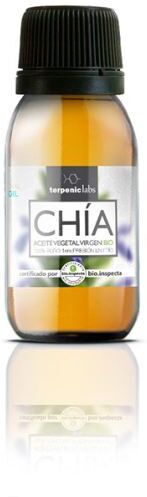
Terpenic Lab Chia Vegetable Oil 60 mlHealth and Beauty First aid kit Terpenic Lab Chia Vegetable Oil 60 ml Chia oil has healing, anti-inflammatory, nourishing and softening properties. Chia is a sage that comes from Central America and its oil is that of the Mayans and Aztecs. The Mexican region of Chiapas owes its name to chia. It contains a high percentage of omega 3, with healing and anti-inflammatory properties, and gamma-linolenic acid that favors the fight against the effects of free radicals and has an anti-inflammatory action.14,76 £*Shipping: 3,99 £Secure redirect to the provider
-
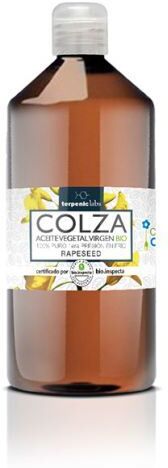
Terpenic Lab Rapeseed Vegetable Oil 100 mlNutrition and Supplements Natural Extracts Terpenic Lab Rapeseed Vegetable Oil 100 ml Brassica campestris L., or rapeseed, is an annual plant that grows to 60–140 cm. It is very typical of Europe. The vegetable oil is obtained by cold-pressing its seeds and then filtering them. The vegetable oil is pale yellow in color and has a slight sulfurous odor. Its dermal absorption rate is medium. Although it was once rich in euricic acid, today we have different types with low levels of this fatty acid that are used in the food industry. Contains essential fat-soluble vitamins, minerals and a high content of alpha-linolenic acid. As can be seen in the lipid profile, there is a proportion between omega 3, omega 6, and omega 9 fatty acids, which makes it very interesting as a nutritional contribution of these essential fatty acids. Uses and applications: Cosmetic use: Rapeseed oil is widely used in cosmetics due to its unique lipid profile. It is highly valued for massages and skin nourishment. Recommended for both baby and adult skin. Massage synergies, nourishing facial and body oil serums, and use in the preparation of macerations for therapeutic purposes are developed. Oral use: Rapeseed oil is widely used in cooking. It's ideal for salads, steaming, frying, or making mayonnaise. Due to its composition of essential fatty acids, vitamins and other nutritional components, it is attributed with benefits for the cardiovascular system.6,01 £*Shipping: 3,99 £Secure redirect to the provider
-
Terpenic Lab Sesame Vegetable Oil 250 mlHealth and Beauty Creams Terpenic Lab Sesame Vegetable Oil 250 ml Terpenic Labs Sesame Oil is obtained from the sesame seed (Sesamum indicum), a plant native to India and Africa. The seed's oil content is approximately 65%. The resulting liquid is light yellow and almost odorless. Properties: Widely used in Eastern massage (Ayurvedic treatments, yoga, etc.). Highly valued for its relaxing and analgesic properties, as well as for its ability to solubilize toxins in detoxification treatments. The main properties are: Regenerating, Softening, UV Protecting and Antioxidant. Uses and applications: For all the above reasons, sesame oil is one of the best known and most widely used. Oral use: used as food since in addition to the caloric contribution we obtain essential fatty acids such as ω 6 and ω 9 among others and in multiple oriental dishes. External use: combination skin, sun protection (for weak skin), brittle nails, and massage base. In beauty treatments, refined sesame is used for hot massages. Sesame, having a higher proportion of unsaponifiable matter than refined sesame, has intensified regenerative, skin and hair softening properties, mild sun protection against UVB (without a specific sun factor), and antioxidant action.12,24 £*Shipping: 3,99 £Secure redirect to the provider


-
Are hazelnut buds poisonous?
Hazelnut buds are not considered to be poisonous. In fact, hazelnuts are a popular and edible nut that is commonly used in cooking and baking. However, it is important to note that some people may have allergies to hazelnuts, so it is always best to check for any potential allergic reactions before consuming them. **
-
What is the difference between a fallen hazelnut leaf and a fallen hazelnut?
A fallen hazelnut leaf is a leaf that has fallen from a hazelnut tree, while a fallen hazelnut is the actual nut that has fallen from the tree. The fallen hazelnut leaf is a part of the tree's foliage, while the fallen hazelnut is the fruit of the tree. The fallen hazelnut leaf is typically flat and thin, while the fallen hazelnut is round and contains the edible nut inside. **
-
How heavy is a hazelnut?
A hazelnut typically weighs around 1 gram, which is equivalent to 0.035 ounces. It is a small, lightweight nut that is commonly used in cooking and baking. Despite its small size, hazelnuts are packed with nutrients and are a good source of healthy fats, vitamins, and minerals. **
-
Should you cook parsley with real vegetable broth?
Yes, cooking parsley with real vegetable broth can enhance the flavor of the dish. Parsley can add a fresh, herbaceous note to the broth, creating a more complex and aromatic flavor profile. Additionally, parsley is a versatile herb that can complement a wide range of vegetable-based dishes, making it a great addition to vegetable broth. However, it's important to note that parsley should be added towards the end of the cooking process to preserve its bright flavor and color. **

Is the hazelnut spread still good?
To determine if the hazelnut spread is still good, check the expiration date on the packaging. If the spread is past its expiration date, it is best to discard it. Additionally, inspect the spread for any signs of mold, unusual odor, or discoloration. If any of these are present, it is safer to not consume the hazelnut spread. **
Is the hazelnut butter still good?
To determine if the hazelnut butter is still good, you should check for any signs of spoilage such as an off smell, unusual texture, or mold growth. If the hazelnut butter looks and smells normal, it is likely still safe to eat. However, if you are unsure or notice any changes in color, odor, or texture, it is best to err on the side of caution and discard it to avoid any potential foodborne illnesses. **
Top-Angebote
Products related to Terpenic-Lab-Hazelnut-Vegetable:
-
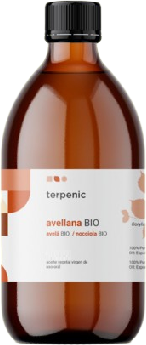
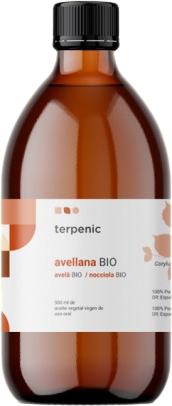
Terpenic Lab Hazelnut Vegetable Oil 250 mlHealth and Beauty Creams Terpenic Lab Hazelnut Vegetable Oil 250 ml Hazelnut oil is obtained from the seed of the hazelnut tree (Corylus avellana), a tree native mainly to Europe and Asia. Properties: Balances sebum secretion, astringent, nourishing, softening and emollient. How do you use Tarpenic Labs Hazelnut Vegetable Oil? It is recommended to apply to the area to be treated with a gentle massage.25,63 £*Shipping: 3,99 £Secure redirect to the provider
-
Terpenic Lab Hazelnut Vegetable Oil 500 mlHealth and Beauty Creams Terpenic Lab Hazelnut Vegetable Oil 500 ml Hazelnut oil is obtained from the seed of the hazelnut tree (Corylus avellana), a tree native mainly to Europe and Asia. Properties: Balances sebum secretion, astringent, nourishing, softening and emollient. How do you use Tarpenic Labs Hazelnut Vegetable Oil? It is recommended to apply to the area to be treated with a gentle massage.45,36 £*Shipping: 3,99 £Secure redirect to the provider
-
Terpenic Lab Sesame Vegetable Oil 1 LHealth and Beauty Creams Terpenic Lab Sesame Vegetable Oil 1 L Terpenic Labs Sesame Oil is obtained from the sesame seed (Sesamum indicum), a plant native to India and Africa. The seed's oil content is approximately 65%. The resulting liquid is light yellow and almost odorless. Properties: Widely used in Eastern massage (Ayurvedic treatments, yoga, etc.). Highly valued for its relaxing and analgesic properties, as well as for its ability to solubilize toxins in detoxification treatments. The main properties are: Regenerating, Softening, UV Protecting and Antioxidant. Uses and applications: For all the above reasons, sesame oil is one of the best known and most widely used. Oral use: used as food since in addition to the caloric contribution we obtain essential fatty acids such as ω 6 and ω 9 among others and in multiple oriental dishes. External use: combination skin, sun protection (for weak skin), brittle nails, and massage base. In beauty treatments, refined sesame is used for hot massages. Sesame, having a higher proportion of unsaponifiable matter than refined sesame, has intensified regenerative, skin and hair softening properties, mild sun protection against UVB (without a specific sun factor), and antioxidant action.35,36 £*Shipping: 4,99 £Secure redirect to the provider
-
Terpenic Lab Chia Vegetable Oil 60 mlHealth and Beauty First aid kit Terpenic Lab Chia Vegetable Oil 60 ml Chia oil has healing, anti-inflammatory, nourishing and softening properties. Chia is a sage that comes from Central America and its oil is that of the Mayans and Aztecs. The Mexican region of Chiapas owes its name to chia. It contains a high percentage of omega 3, with healing and anti-inflammatory properties, and gamma-linolenic acid that favors the fight against the effects of free radicals and has an anti-inflammatory action.14,76 £*Shipping: 3,99 £Secure redirect to the provider
-
What is hazelnut semolina?
Hazelnut semolina is a type of dessert made from semolina flour, hazelnuts, sugar, and butter. It is a rich and flavorful dish that is popular in Middle Eastern and Mediterranean cuisine. The hazelnuts add a nutty flavor and crunchy texture to the semolina, creating a delicious and satisfying dessert. It is often served warm and can be topped with additional nuts or a drizzle of honey for extra sweetness. **
-
Is a hazelnut alive?
No, a hazelnut is not alive. It is a seed produced by the hazel tree, and while it has the potential to grow into a new tree under the right conditions, the hazelnut itself is not considered a living organism. It does not exhibit the characteristics of life such as metabolism, growth, or response to stimuli. Instead, it is a dormant structure that contains the genetic material and nutrients needed for a new plant to develop. **
-
Are hazelnut buds poisonous?
Hazelnut buds are not considered to be poisonous. In fact, hazelnuts are a popular and edible nut that is commonly used in cooking and baking. However, it is important to note that some people may have allergies to hazelnuts, so it is always best to check for any potential allergic reactions before consuming them. **
-
What is the difference between a fallen hazelnut leaf and a fallen hazelnut?
A fallen hazelnut leaf is a leaf that has fallen from a hazelnut tree, while a fallen hazelnut is the actual nut that has fallen from the tree. The fallen hazelnut leaf is a part of the tree's foliage, while the fallen hazelnut is the fruit of the tree. The fallen hazelnut leaf is typically flat and thin, while the fallen hazelnut is round and contains the edible nut inside. **
Similar search terms for Terpenic-Lab-Hazelnut-Vegetable
-
Terpenic Lab Rapeseed Vegetable Oil 100 mlNutrition and Supplements Natural Extracts Terpenic Lab Rapeseed Vegetable Oil 100 ml Brassica campestris L., or rapeseed, is an annual plant that grows to 60–140 cm. It is very typical of Europe. The vegetable oil is obtained by cold-pressing its seeds and then filtering them. The vegetable oil is pale yellow in color and has a slight sulfurous odor. Its dermal absorption rate is medium. Although it was once rich in euricic acid, today we have different types with low levels of this fatty acid that are used in the food industry. Contains essential fat-soluble vitamins, minerals and a high content of alpha-linolenic acid. As can be seen in the lipid profile, there is a proportion between omega 3, omega 6, and omega 9 fatty acids, which makes it very interesting as a nutritional contribution of these essential fatty acids. Uses and applications: Cosmetic use: Rapeseed oil is widely used in cosmetics due to its unique lipid profile. It is highly valued for massages and skin nourishment. Recommended for both baby and adult skin. Massage synergies, nourishing facial and body oil serums, and use in the preparation of macerations for therapeutic purposes are developed. Oral use: Rapeseed oil is widely used in cooking. It's ideal for salads, steaming, frying, or making mayonnaise. Due to its composition of essential fatty acids, vitamins and other nutritional components, it is attributed with benefits for the cardiovascular system.6,01 £*Shipping: 3,99 £Secure redirect to the provider
-
Terpenic Lab Sesame Vegetable Oil 250 mlHealth and Beauty Creams Terpenic Lab Sesame Vegetable Oil 250 ml Terpenic Labs Sesame Oil is obtained from the sesame seed (Sesamum indicum), a plant native to India and Africa. The seed's oil content is approximately 65%. The resulting liquid is light yellow and almost odorless. Properties: Widely used in Eastern massage (Ayurvedic treatments, yoga, etc.). Highly valued for its relaxing and analgesic properties, as well as for its ability to solubilize toxins in detoxification treatments. The main properties are: Regenerating, Softening, UV Protecting and Antioxidant. Uses and applications: For all the above reasons, sesame oil is one of the best known and most widely used. Oral use: used as food since in addition to the caloric contribution we obtain essential fatty acids such as ω 6 and ω 9 among others and in multiple oriental dishes. External use: combination skin, sun protection (for weak skin), brittle nails, and massage base. In beauty treatments, refined sesame is used for hot massages. Sesame, having a higher proportion of unsaponifiable matter than refined sesame, has intensified regenerative, skin and hair softening properties, mild sun protection against UVB (without a specific sun factor), and antioxidant action.12,24 £*Shipping: 3,99 £Secure redirect to the provider
-
Terpenic Lab Rapeseed Vegetable Oil 250 mlNutrition and Supplements Natural Extracts Terpenic Lab Rapeseed Vegetable Oil 250 ml Brassica campestris L., or rapeseed, is an annual plant that grows to 60–140 cm. It is very typical of Europe. The vegetable oil is obtained by cold-pressing its seeds and then filtering them. The vegetable oil is pale yellow in color and has a slight sulfurous odor. Its dermal absorption rate is medium. Although it was once rich in euricic acid, today we have different types with low levels of this fatty acid that are used in the food industry. Contains essential fat-soluble vitamins, minerals and a high content of alpha-linolenic acid. As can be seen in the lipid profile, there is a proportion between omega 3, omega 6, and omega 9 fatty acids, which makes it very interesting as a nutritional contribution of these essential fatty acids. Uses and applications: Cosmetic use: Rapeseed oil is widely used in cosmetics due to its unique lipid profile. It is highly valued for massages and skin nourishment. Recommended for both baby and adult skin. Massage synergies, nourishing facial and body oil serums, and use in the preparation of macerations for therapeutic purposes are developed. Oral use: Rapeseed oil is widely used in cooking. It's ideal for salads, steaming, frying, or making mayonnaise. Due to its composition of essential fatty acids, vitamins and other nutritional components, it is attributed with benefits for the cardiovascular system.9,05 £*Shipping: 3,99 £Secure redirect to the provider
-
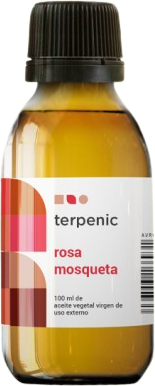
Terpenic Lab Rosehip Vegetable Oil 100 mlHealth and Beauty Creams Terpenic Lab Rosehip Vegetable Oil 100 ml Terpenic Labs Rosehip Oil has been selected for its high content of polyunsaturated fatty acids, especially linoleic and linolenic acids (over 75%). These fatty acids, which our bodies cannot produce, are absorbed through the skin and are essential in the biochemical processes related to tissue regeneration and the synthesis of new cells. Rosehip oil is indicated for dry, dehydrated or aged skin. It is suitable for the specific care of sensitive areas such as eyelids, the eye contour or areas close to mucous membranes. It can be applied as a preventative measure against wrinkles and to nourish, moisturize, and protect the skin from premature aging. It is also used in formulations for the treatment of burns, eczema, and scars.22,51 £*Shipping: 3,99 £Secure redirect to the provider
-
How heavy is a hazelnut?
A hazelnut typically weighs around 1 gram, which is equivalent to 0.035 ounces. It is a small, lightweight nut that is commonly used in cooking and baking. Despite its small size, hazelnuts are packed with nutrients and are a good source of healthy fats, vitamins, and minerals. **
-
Should you cook parsley with real vegetable broth?
Yes, cooking parsley with real vegetable broth can enhance the flavor of the dish. Parsley can add a fresh, herbaceous note to the broth, creating a more complex and aromatic flavor profile. Additionally, parsley is a versatile herb that can complement a wide range of vegetable-based dishes, making it a great addition to vegetable broth. However, it's important to note that parsley should be added towards the end of the cooking process to preserve its bright flavor and color. **
-
Is the hazelnut spread still good?
To determine if the hazelnut spread is still good, check the expiration date on the packaging. If the spread is past its expiration date, it is best to discard it. Additionally, inspect the spread for any signs of mold, unusual odor, or discoloration. If any of these are present, it is safer to not consume the hazelnut spread. **
-
Is the hazelnut butter still good?
To determine if the hazelnut butter is still good, you should check for any signs of spoilage such as an off smell, unusual texture, or mold growth. If the hazelnut butter looks and smells normal, it is likely still safe to eat. However, if you are unsure or notice any changes in color, odor, or texture, it is best to err on the side of caution and discard it to avoid any potential foodborne illnesses. **
* All prices are inclusive of VAT and, if applicable, plus shipping costs. The offer information is based on the details provided by the respective shop and is updated through automated processes. Real-time updates do not occur, so deviations can occur in individual cases. ** Note: Parts of this content were created by AI.