Buy truewords.eu ?
We are moving the project
truewords.eu .
Are you interested in purchasing the domain
truewords.eu ?
domain@kv-gmbh.de · 0541-91531010
Buy truewords.eu ?
What are non-genuine reflexive verbs?
Non-genuine reflexive verbs are verbs that can be used both reflexively and non-reflexively, depending on the context. In other words, the action of the verb can be directed either towards oneself or towards someone or something else. For example, in Spanish, the verb "vestir" can be used reflexively as "vestirse" (to dress oneself) or non-reflexively as "vestir" (to dress someone else). These non-genuine reflexive verbs require careful attention to the context in order to determine whether the action is being performed on oneself or on someone or something else. **
What are irregular verbs and strong verbs?
Irregular verbs are verbs that do not follow the regular pattern of adding -ed to form their past tense and past participle. Instead, they have unique forms for these tenses. Strong verbs are a type of irregular verb that form their past tense and past participle by changing the vowel sound in the base form of the verb. These verbs often have a more complex and unpredictable pattern of inflection compared to regular and weak verbs. **


Similar search terms for Verbs
Top-Angebote
Products related to Verbs:
-
Sincere Surroundings Weatherproof Porch Board Welcome LeavesBold sage-green serif capitals spell out 'WELCOME' vertically down the length of this porch board, framed by delicate watercolor eucalyptus leaves and botanical sprays in soft sage and pale green tones that dance along both sides.42,99 $*Shipping: 0,00 $Secure redirect to the provider
-
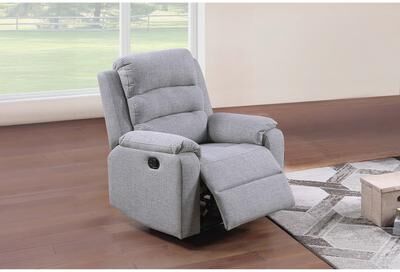
Esofastore Sincere Bone Finish 1pc Manual Recliner Tufted ChairFeatures:- •Transitioanl Style •Sincere Bone Finish •Burlap Fabric •Manual Sofa Set •Padded Headrest And Armrest •Manual Handle •Horizontal Tufting Product Description:- Indulge in unparalleled relaxation with the sofa set, crafted to deliver supreme…1266,99 $*Shipping: 0,00 $Secure redirect to the provider



-
Can you please explain the difference between main verbs, auxiliary verbs, and modal verbs?
Main verbs are the primary verbs in a sentence that express the main action or state of being. Auxiliary verbs, also known as helping verbs, are used alongside main verbs to form different tenses, moods, or voices. Modal verbs are a type of auxiliary verb that express possibility, necessity, ability, or permission. They are used to modify the meaning of the main verb in a sentence. **
-
What are regular verbs in English and irregular verbs?
Regular verbs in English are verbs that follow a predictable pattern when forming their past tense and past participle forms. They simply add "-ed" to the base form of the verb to create the past tense and past participle forms. For example, "walk" becomes "walked" and "play" becomes "played." Irregular verbs, on the other hand, do not follow this pattern and have unique past tense and past participle forms that do not end in "-ed." For example, "go" becomes "went" and "eat" becomes "ate." These irregular forms must be memorized as they do not follow a consistent rule. **
-
Can Italian reflexive verbs be used as modal verbs?
No, Italian reflexive verbs cannot be used as modal verbs. Reflexive verbs in Italian indicate that the subject of the verb is also the recipient of the action. On the other hand, modal verbs in Italian express possibility, necessity, or ability. While both types of verbs are important in Italian grammar, they serve different functions and cannot be used interchangeably. **
-
Are verbs capitalized?
Verbs are not capitalized unless they are at the beginning of a sentence. In regular writing, verbs are typically written in lowercase letters. However, in titles or headings where all major words are capitalized, verbs may be capitalized as well. **

What are verbs?
Verbs are words that express action, occurrence, or state of being. They are an essential part of speech and are used to convey the action or state of the subject in a sentence. Verbs can be in different tenses, such as past, present, or future, and can also be modified to show aspects like continuous or perfect. In English, verbs are conjugated to match the subject and can also be used with auxiliary verbs to form different tenses and moods. **
What is the difference between main verbs, auxiliary verbs, and modal verbs? Can you also give an example?
Main verbs are the primary verbs in a sentence that express the main action or state of being, such as "run," "eat," or "sleep." Auxiliary verbs, also known as helping verbs, are used in conjunction with main verbs to form different tenses, voices, or moods, such as "be," "have," or "do." Modal verbs are a type of auxiliary verb that express possibility, necessity, or ability, such as "can," "could," "must," or "should." For example, in the sentence "She is running," "is" is the auxiliary verb and "running" is the main verb. In the sentence "He can swim," "can" is the modal verb and "swim" is the main verb. **
Top-Angebote
Products related to Verbs:
-
Belfry Kitchen Sincere 37 Utensil Set GoldDurable And Stylish Design: This cookware set is designed for functionality. The kitchen utensils are designed with high-grade stainless steel and plated with titanium gold, showing the noble luxury. It will elevate your kitchen decor. Healthy Materials: This cookware set is made of high-quality stainless steel, lead-free, PBA free, and suitable for everyday cooking. Best Kitchen Tools: A wide range of accessories to perfectly solve your culinary needs. It can be used not only at home but also in hotels, restaurants and other places. Quality materials and fine workmanship also make the perfect gift. Dishwasher Safe: The kitchen utensil set is made of high-quality stainless steel, which is durable and rust-resistant. Wipe clean and keep dry after use, use a soft cloth to clean and wash, do not use hard materials to wash and rub the utensils that keep it always shiny. It can last for years. Belfry Kitchen76,99 £*Shipping: 0,00 £Secure redirect to the provider
-
Sincere Surroundings Weatherproof Porch Boards Hide PackagesA witty welcome for the home where packages are a closely guarded secret, this porch board is designed to greet every delivery driver and guest at the front door with humor and charm.42,99 $*Shipping: 0,00 $Secure redirect to the provider
-
What are non-genuine reflexive verbs?
Non-genuine reflexive verbs are verbs that can be used both reflexively and non-reflexively, depending on the context. In other words, the action of the verb can be directed either towards oneself or towards someone or something else. For example, in Spanish, the verb "vestir" can be used reflexively as "vestirse" (to dress oneself) or non-reflexively as "vestir" (to dress someone else). These non-genuine reflexive verbs require careful attention to the context in order to determine whether the action is being performed on oneself or on someone or something else. **
-
What are irregular verbs and strong verbs?
Irregular verbs are verbs that do not follow the regular pattern of adding -ed to form their past tense and past participle. Instead, they have unique forms for these tenses. Strong verbs are a type of irregular verb that form their past tense and past participle by changing the vowel sound in the base form of the verb. These verbs often have a more complex and unpredictable pattern of inflection compared to regular and weak verbs. **
-
Can you please explain the difference between main verbs, auxiliary verbs, and modal verbs?
Main verbs are the primary verbs in a sentence that express the main action or state of being. Auxiliary verbs, also known as helping verbs, are used alongside main verbs to form different tenses, moods, or voices. Modal verbs are a type of auxiliary verb that express possibility, necessity, ability, or permission. They are used to modify the meaning of the main verb in a sentence. **
-
What are regular verbs in English and irregular verbs?
Regular verbs in English are verbs that follow a predictable pattern when forming their past tense and past participle forms. They simply add "-ed" to the base form of the verb to create the past tense and past participle forms. For example, "walk" becomes "walked" and "play" becomes "played." Irregular verbs, on the other hand, do not follow this pattern and have unique past tense and past participle forms that do not end in "-ed." For example, "go" becomes "went" and "eat" becomes "ate." These irregular forms must be memorized as they do not follow a consistent rule. **
Similar search terms for Verbs
-
Sincere Surroundings Weatherproof Porch Board Welcome LeavesBold sage-green serif capitals spell out 'WELCOME' vertically down the length of this porch board, framed by delicate watercolor eucalyptus leaves and botanical sprays in soft sage and pale green tones that dance along both sides.42,99 $*Shipping: 0,00 $Secure redirect to the provider
-
Esofastore Sincere Bone Finish 1pc Manual Recliner Tufted ChairFeatures:- •Transitioanl Style •Sincere Bone Finish •Burlap Fabric •Manual Sofa Set •Padded Headrest And Armrest •Manual Handle •Horizontal Tufting Product Description:- Indulge in unparalleled relaxation with the sofa set, crafted to deliver supreme…1266,99 $*Shipping: 0,00 $Secure redirect to the provider
-
Sincere Surroundings Porch Board Weatherproof Peace On Earth Cardinal - 8x46.5x.5"Bring hope and holiday spirit to your entryway. Featuring the heartfelt sentiment, ""Peace On Earth,"" this weatherproof porch board welcomes guests with reflection and seasonal warmth."47,49 $*Shipping: 0,00 $Secure redirect to the provider
-
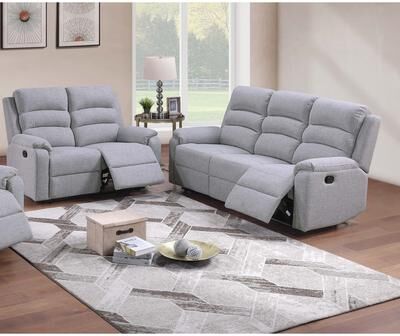
Esofastore Transitional 2pc Manual Sofa Set Burlap Upholstered Sincere Bone FinishFeatures:- •Transitioanl Style •Sincere Finish •Burlap Fabric •Manual Sofa Set •Padded Headrest And Armrest •Manual Handle •Horizontal Tufting Product Description:- Indulge in unparalleled relaxation with the sofa set, crafted to deliver supreme...2104,49 $*Shipping: 0,00 $Secure redirect to the provider
-
Can Italian reflexive verbs be used as modal verbs?
No, Italian reflexive verbs cannot be used as modal verbs. Reflexive verbs in Italian indicate that the subject of the verb is also the recipient of the action. On the other hand, modal verbs in Italian express possibility, necessity, or ability. While both types of verbs are important in Italian grammar, they serve different functions and cannot be used interchangeably. **
-
Are verbs capitalized?
Verbs are not capitalized unless they are at the beginning of a sentence. In regular writing, verbs are typically written in lowercase letters. However, in titles or headings where all major words are capitalized, verbs may be capitalized as well. **
-
What are verbs?
Verbs are words that express action, occurrence, or state of being. They are an essential part of speech and are used to convey the action or state of the subject in a sentence. Verbs can be in different tenses, such as past, present, or future, and can also be modified to show aspects like continuous or perfect. In English, verbs are conjugated to match the subject and can also be used with auxiliary verbs to form different tenses and moods. **
-
What is the difference between main verbs, auxiliary verbs, and modal verbs? Can you also give an example?
Main verbs are the primary verbs in a sentence that express the main action or state of being, such as "run," "eat," or "sleep." Auxiliary verbs, also known as helping verbs, are used in conjunction with main verbs to form different tenses, voices, or moods, such as "be," "have," or "do." Modal verbs are a type of auxiliary verb that express possibility, necessity, or ability, such as "can," "could," "must," or "should." For example, in the sentence "She is running," "is" is the auxiliary verb and "running" is the main verb. In the sentence "He can swim," "can" is the modal verb and "swim" is the main verb. **
* All prices are inclusive of VAT and, if applicable, plus shipping costs. The offer information is based on the details provided by the respective shop and is updated through automated processes. Real-time updates do not occur, so deviations can occur in individual cases. ** Note: Parts of this content were created by AI.